
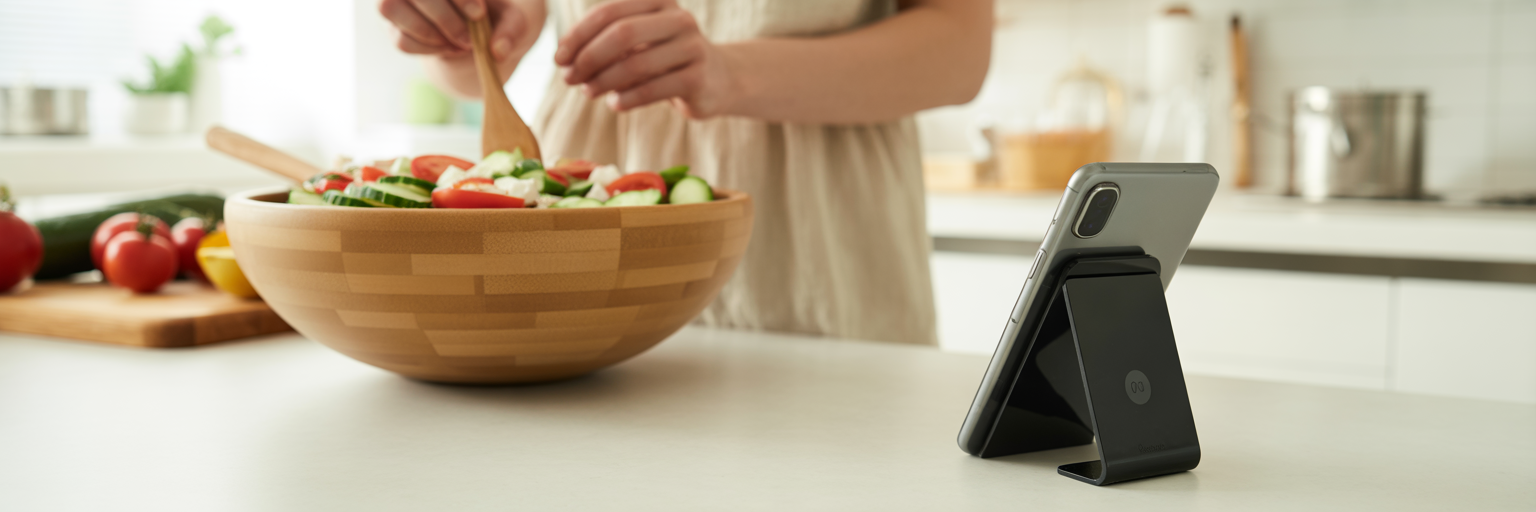
Embracing a Smarter Way to Track Your Health
The Mediterranean diet has long been recognized as a sustainable lifestyle, celebrated for its focus on whole foods and long-term wellness rather than restrictive rules. Yet, even with the best intentions, many people fall off track. The reason is often the tedious, time-consuming task of manually logging every meal. We’ve all been there, tapping away at our phones, searching for ingredients, and losing motivation after just a few days.
This is where voice command food logging changes the equation. Instead of typing, you simply speak what you ate. This simple shift removes the friction that undermines consistency, making it far easier to maintain an accurate record of your nutritional intake. This wave of user-friendly health tech is often driven by startups, which sometimes rely on resources like small business loans for startups to bring these ideas to life and make wellness more accessible for everyone.
Getting Started with Voice-Powered Meal Logging

Using your voice to log meals feels natural, but it helps to know what to expect the first time. The process is designed to be straightforward, getting you from speaking to seeing your nutrition data in seconds. Here’s a simple breakdown of how to log meals by voice:
- Find the Microphone and Grant Permission
Most apps feature a clear microphone icon. The first time you tap it, your phone will ask for permission to access the microphone. This is a one-time step that allows the app to perform speech recognition directly on your device. - Speak Your Meal Naturally
There’s no need for robotic commands. Just speak as if you were telling a friend what you ate. For example, say, “I had a Greek salad with grilled chicken for lunch.” The more descriptive you are, the better. - Let the AI Do the Work On-Device
Once you speak, the app’s AI gets to work. It processes your speech locally to identify ingredients and estimate quantities. This commitment to on-device meal tracking is critical for privacy. Apps built on this principle, such as our own voice-powered tracker, ensure your audio and meal data never leave your phone. - Review and Confirm Your Entry
The app will present a breakdown of your meal for a quick review. This step gives you full control, allowing you to confirm that the ingredients and portions are accurate before saving the entry. It’s a simple check that ensures your log is reliable.
How to Phrase Your Commands for Mediterranean Foods
The key to accurate voice logging is descriptive language. The more detail you provide, the more precise the nutritional breakdown from the AI calorie counter will be. Think about preparation methods, ingredients, and rough quantities. Instead of just saying "I had a salad," try to be more specific. Here are a few examples tailored to the Mediterranean diet:
- Breakfast & Lunch: Try saying, “A bowl of Greek yogurt with a tablespoon of honey and a handful of walnuts,” or “A large quinoa salad with chickpeas, cucumber, tomatoes, and a lemon-tahini dressing.” These details help the AI distinguish between a simple yogurt and a nutrient-dense meal.
- Dinner & Complex Meals: For more complex dishes, be just as descriptive. A command like, “Six ounces of baked cod with roasted asparagus and a side of brown rice,” gives the system everything it needs. Another great example is, “A bowl of lentil soup with a slice of whole-wheat bread.”
- Snacks & Drinks: Even simple items benefit from detail. Commands like, “A handful of almonds and a pear,” or “A glass of red wine,” are logged quickly and accurately.
Mentioning whether your chicken was “grilled” versus “fried” or specifying “one cup” of rice instead of just “a side” makes a significant difference. This habit helps you build a more accurate picture of your eating patterns over time.
Monitoring Key Nutrients for a Balanced Diet
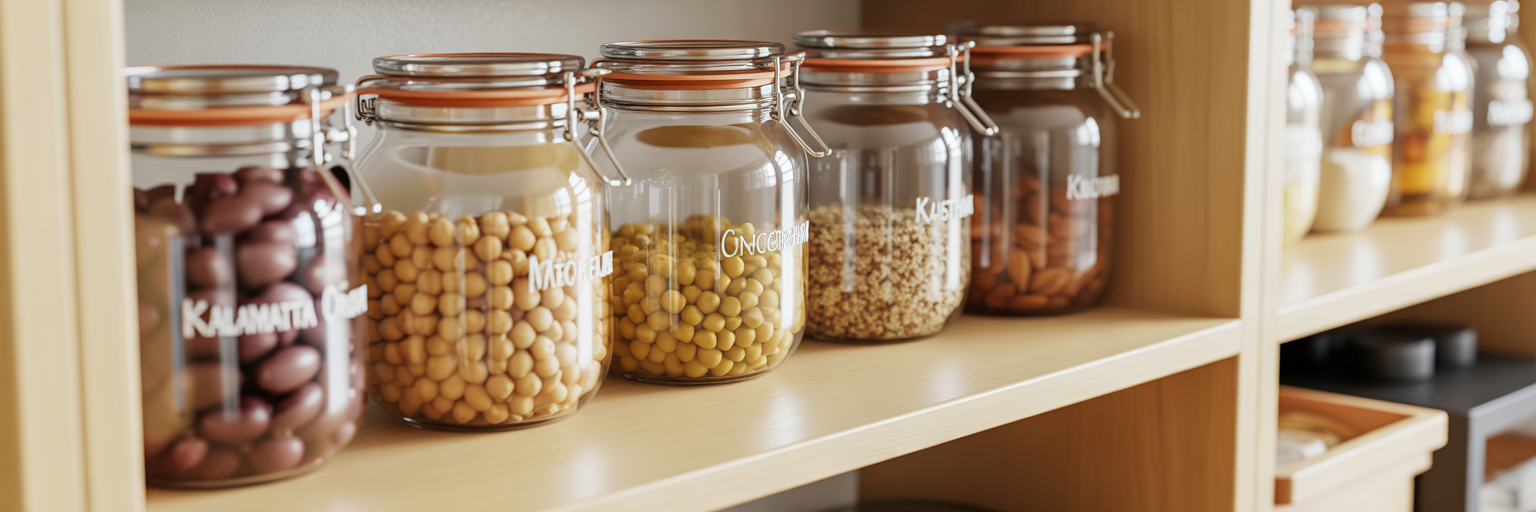
Logging your meals is not just about counting calories; it’s about understanding the quality of your diet. The Mediterranean lifestyle is built on a foundation of healthy fats, omega-3 fatty acids, and fiber. As a 2025 position paper from ScienceDirect highlights, the diet's foundation remains plant-based foods and olive oil. A good track Mediterranean diet app automatically calculates these key nutrients from your voice entries, giving you instant feedback.
This allows you to spot trends and make informed adjustments. For instance, you might notice your fiber intake is lower than you thought, prompting you to add more legumes or whole grains to your next meal. Or, if you see your saturated fat intake creeping up, you can consciously swap red meat for fish. This proactive approach turns tracking from a chore into a powerful tool for optimizing your health. You are no longer guessing about your nutrition; you are making data-driven decisions that align with your wellness goals.
| Food Group | Primary Nutrients | Example Foods |
|---|---|---|
| Healthy Fats | Monounsaturated & Polyunsaturated Fats | Extra virgin olive oil, avocados, nuts (almonds, walnuts), seeds (flax, chia) |
| Lean Proteins | Omega-3 Fatty Acids, Protein | Salmon, sardines, mackerel, chicken, lentils, chickpeas |
| Whole Grains | Fiber, B Vitamins, Magnesium | Quinoa, oats, brown rice, whole-wheat bread, barley |
| Fruits & Vegetables | Vitamins, Minerals, Antioxidants, Fiber | Leafy greens, tomatoes, bell peppers, berries, citrus fruits |
Note: This table highlights the primary nutritional contributions of core food groups in the Mediterranean diet to help users focus their tracking efforts.
The Privacy Advantage of On-Device Voice Processing
When you share something as personal as your dietary habits, you should have absolute certainty about where that information goes. On-device meal tracking provides that certainty. It means your voice commands and meal logs are processed and stored exclusively on your phone. They are never sent to a server, uploaded to the cloud, or seen by anyone but you.
This stands in stark contrast to many other apps that sync your data to company servers, creating potential vulnerabilities for data breaches or misuse. We believe your health data belongs to you, period. A truly privacy focused nutrition tracker operates without requiring an account, ensuring your identity remains unlinked from your data. Your information is never shared or sold. A truly privacy focused nutrition tracker backs this up with a transparent policy, just as we outline in our privacy commitments. This approach isn't just a feature; it's a fundamental belief in data ownership. Knowing your dietary journal is completely private provides the peace of mind to focus on what truly matters: your health.
Reviewing and Refining Your Nutrition Log
After each voice entry, it’s a good practice to take a second to glance at the AI’s interpretation. Did it capture the ingredients and portion sizes correctly? This quick review ensures your log remains a precise reflection of your intake. If something isn’t quite right, modern apps make it easy to edit quantities or swap food items with a simple tap.
Think of this refinement process not as correcting a flawed system, but as teaching yourself how to communicate more effectively with the tool. You’ll quickly learn which phrases yield the most accurate results, making future logging even faster. This small step reinforces your control over the data and turns the technology into a collaborative partner on your health journey. Ultimately, the best results come from using tools that put you in control, which is the principle behind our entire approach to nutrition tracking.