
The Challenge of Logging Fiber-Rich Meals
It is a well-documented fact that over 90% of American adults do not meet their recommended daily fiber intake. This gap highlights a significant opportunity for improving public health, but the first step is awareness, which requires accurate tracking. The main obstacle when tracking a high fiber diet is the sheer complexity of the meals. Think about a typical fiber-rich lunch: a quinoa bowl with black beans, corn, avocado, and mixed greens. In a traditional app, logging this meal means searching for and entering each ingredient one by one.
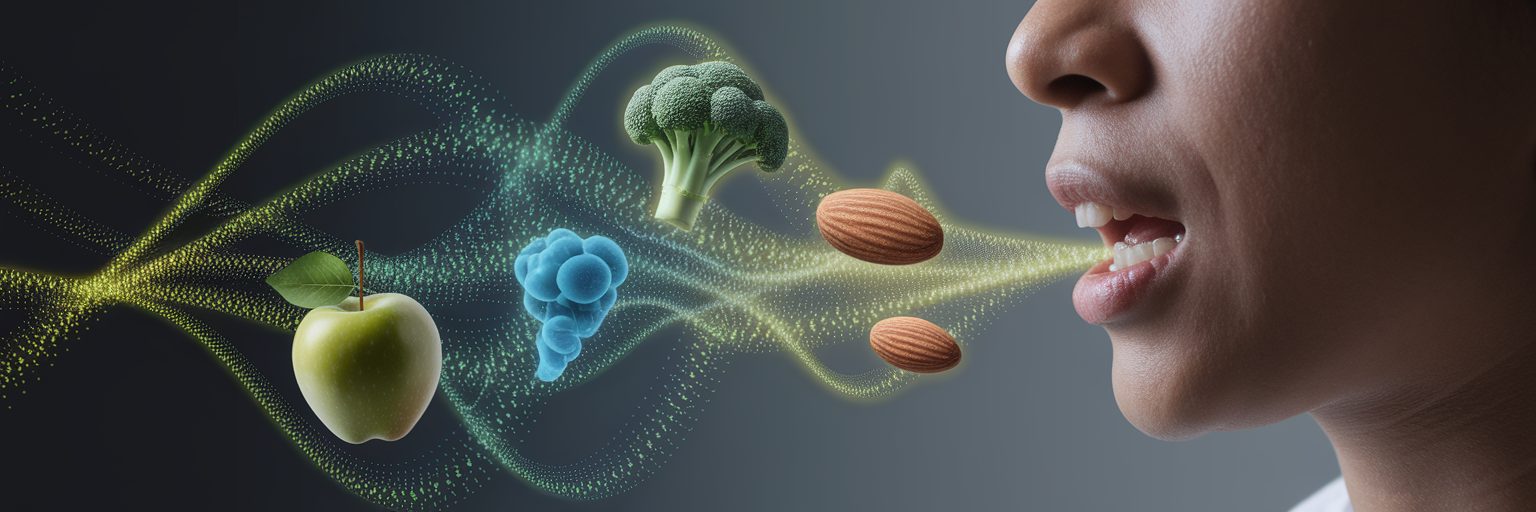
This process is not just tedious; it is a major barrier to consistency. We have all been there, giving up on logging after a few days because it feels like a chore. This is where voice logging for nutrition offers a modern solution. Instead of tapping and searching through endless databases, you simply speak what you ate. This transforms a time-consuming, multi-step task into a single, fluid action, making it far easier to gather the data needed to improve your gut health.
Why Voice Logging Excels for Complex Diets
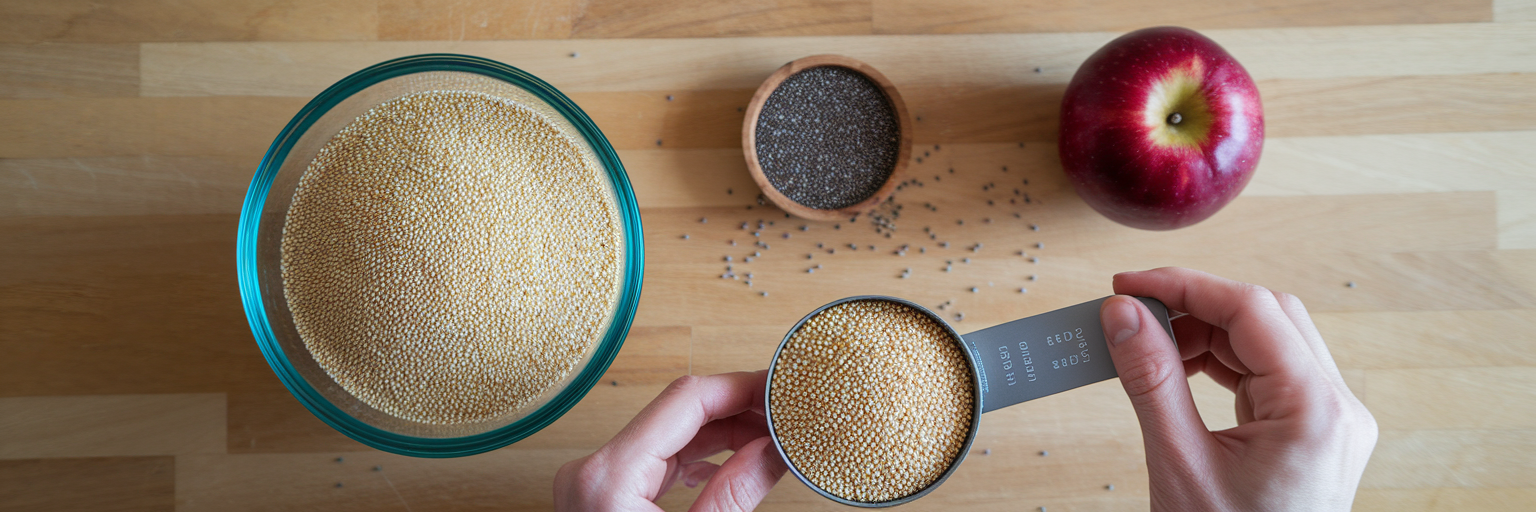
The real advantage of voice logging becomes clear when you look at the clock. Manually entering that quinoa bowl could take a minute or more, but speaking the ingredients takes as little as 15 seconds. A detailed command like, “a bowl of oatmeal with a tablespoon of chia seeds, half a cup of blueberries, and a handful of walnuts,” is far faster than searching for each item individually. This efficiency is what helps users overcome the "typing barrier," a primary reason people abandon their tracking goals.
With modern speech recognition achieving 85-90% accuracy for common foods, manual corrections are minimal. This means you can build a more complete and accurate picture of your eating habits without the friction. A food logging app without typing removes the tedious data entry that stands between you and your health goals. Just as tools for automating complex workflows have streamlined content management, as noted in insights we shared on the Postingcat blog, voice logging simplifies the process of nutrition tracking. The result is consistent data, which is the foundation for making meaningful dietary changes.
Best Practices for Precise Voice Logging
To get the most out of voice logging, precision is key. The AI is smart, but it relies on the details you provide. Following a few simple guidelines ensures your data is as accurate as possible, giving you reliable insights. These tips for accurate nutrition tracking can make a significant difference in the quality of your logs.
- Be Specific with Food Names and Preparation: Instead of just saying "quinoa," specify "one cup of cooked quinoa." This helps the system pull the correct nutritional data from its database, as cooked and uncooked foods have very different values.
- Include Precise Portion Sizes: Vague terms like "a bit" or "some" lead to guesswork. Use standard units like "two tablespoons of flax seeds," "six ounces of grilled chicken breast," or "a medium banana" for accurate calculations.
- Add Descriptive Details: Small details matter. Logging "an apple with skin" is crucial because the skin contains a significant portion of the fruit's fiber. The more descriptive you are, the more accurate your log will be.
- Speak Naturally and Review: You do not need to speak like a robot. Talk conversationally, then take a second to scan the transcribed text. Catching a minor error before saving ensures your daily totals remain accurate.
The table below shows how small adjustments in your commands can lead to much better data.
| Vague Command (Inaccurate) | Precise Command (Accurate) | Why It Matters |
|---|---|---|
| 'Quinoa salad' | 'One cup of cooked quinoa with half a cup of black beans and a tablespoon of olive oil' | Specifies ingredients and portions for an accurate fiber and calorie count. |
| 'Apple and nuts' | 'One medium apple with skin and one ounce of almonds' | 'With skin' adds fiber; 'one ounce' provides a standard measure instead of a guess. |
| 'Oatmeal' | 'Half a cup of dry rolled oats made with one cup of water and a tablespoon of chia seeds' | Distinguishes between raw and cooked, and includes high-fiber additions. |
| 'A side of broccoli' | 'One cup of steamed broccoli florets' | 'Steamed' clarifies preparation, and 'one cup' defines the portion size. |
Note: This table illustrates how small changes in phrasing provide the necessary detail for an AI to accurately calculate nutritional information, especially fiber content.
Applying these practices consistently becomes second nature with a well-designed voice-powered calorie and macro tracker that is built for speed and accuracy.
Common Mistakes That Undermine Fiber Tracking

While voice logging simplifies tracking, certain habits can still lead to inaccurate data. Avoiding these common pitfalls is just as important as adopting good practices. When you are focused on tracking a high fiber diet, these errors can significantly skew your understanding of your daily intake.
- Using Ambiguous Portion Sizes: Phrases like "a handful of almonds" or "a splash of oat milk" are convenient but force the system to guess. A handful can vary widely from person to person, often leading to an underestimation of calories and nutrients.
- Relying on Generic Labels: Logging "a mixed salad" provides almost no useful fiber data. What is in the salad? Instead, list the key high-fiber ingredients like "romaine lettuce, cherry tomatoes, and cucumber" to get a meaningful calculation.
- Ignoring Transcription Errors: Voice recognition is good, but not perfect. Similar-sounding foods can get mixed up, like "pear" versus "pea." A quick scan of the entry before confirming prevents these small errors from compounding and affecting your daily totals.
- Omitting 'Minor' Ingredients: It is easy to forget the tablespoon of salad dressing, the oil used for cooking, or the sprinkle of seeds on top of your yogurt. These "minor" additions contribute to your overall nutritional profile and must be included for a complete and accurate log.
Analyzing Trends for Enhanced Gut Health
Consistent and accurate logging is not just about collecting numbers; it is about turning that data into actionable health insights. Once you have a reliable record of your meals, you can start to see patterns that were previously invisible. Visual dashboards in your app can help you spot "low-fiber days" at a glance or notice that your fiber intake consistently spikes after legume-heavy meals. This is the first step in understanding how to track fiber intake effectively.
The next step is to correlate this data with how you feel. Make a mental or written note of symptoms like bloating, energy levels, or digestive comfort, and compare them against your daily fiber logs. Did you feel sluggish on a day your fiber was low? Did a certain high-fiber meal cause discomfort? This analysis allows for proactive adjustments. For example, if you identify bloating after a specific meal, you can experiment with reducing one ingredient or increasing your water intake to see if it helps. Some apps can even flag when your daily fiber intake falls short of the recommended 25-38 grams, prompting you to make a change.
As a study in the Journal of Medical Internet Research confirmed, mobile apps can be a valid tool for dietary assessment when used correctly. With a privacy-first app like ours, you can perform this sensitive analysis with confidence, knowing your personal health data remains securely on your device.
Privacy and Accessibility in Modern Tracking
When it comes to health data, privacy is not a feature; it is a necessity. Many people are rightfully concerned about where their personal information goes. Trackers that operate entirely on-device, like Saylo AI, ensure your meal logs are never sent to a server, analyzed by third parties, or sold. Your data stays with you, encrypted and private. A key indicator of this commitment is the app's permissions. A privacy-first app should only request what is essential, such as microphone access for on-device speech recognition.
It is also important to have a balanced view of the technology. While voice logging is a powerful tool, many platforms require an internet connection for processing, offer key features only with a premium subscription, or have limited language support. This is why on-device processing is such a significant advantage, as it works anywhere without depending on a connection.
Ultimately, while voice logging offers a major advancement in convenience and accuracy, a quick verification of your logged data is always a good habit. For those who prioritize confidentiality, choosing a tool built on a privacy-by-design foundation is non-negotiable. It ensures you can focus on your health without worrying about your data.