

The Daily Challenge of Keto Macro Tracking
The ketogenic diet’s effectiveness hinges on maintaining a precise balance of macronutrients: high fat, moderate protein, and extremely low carbohydrates. For many, the reality of achieving this balance involves a tedious daily ritual. Manually logging every meal means navigating clunky databases, scrolling through endless lists to find the right ingredient, and meticulously adjusting serving sizes. A simple breakfast of eggs, bacon, and avocado can turn into a five-minute data entry task.
This friction is more than just an inconvenience. It’s a significant time commitment that chips away at consistency. Beyond the time spent, there's the mental load of constantly calculating and re-calculating. Did that coffee creamer have hidden sugar? How much fat was really in that steak? This is the core challenge of how to track keto macros correctly. The constant vigilance can feel overwhelming, especially for those new to the diet.
When a daily task is this demanding, it’s often the first thing to be skipped on a busy day. A missed entry here and there creates incomplete data, making it impossible to know if you’re truly in ketosis. This gap between intention and action is often the primary reason people struggle to maintain the diet long-term.
How Voice Technology Streamlines Macro Logging
Addressing the friction of manual entry requires a fundamental shift in how we log food. Voice technology offers a direct and elegant solution by converting spoken words into structured nutritional data. Instead of tapping through menus, you simply state what you ate. Saying, "I had two scrambled eggs with a tablespoon of butter and half an avocado," takes only a few seconds. The app instantly translates that sentence into precise calories, fat, protein, and carbs.
This immediate feedback loop transforms tracking from a chore into a simple habit. The convenience of easy keto meal logging means you are far more likely to remain consistent, which is the foundation of any successful dietary plan. The less effort it takes to log a meal, the more complete and accurate your data will be over time.
Furthermore, advanced applications handle this process with an emphasis on privacy. Some tools process your voice entirely on your device, ensuring your sensitive health information never leaves your phone. This is a stark contrast to many cloud-based trackers that sync your data to external servers. For anyone who values data security, this on-device approach is a critical feature. A voice activated food journal makes tracking effortless without compromising your privacy. For those seeking a tool built on these principles, our privacy-first approach to a voice activated food journal offers a clear example of this technology in action.
Tips for Accurately Logging High-Fat Keto Meals
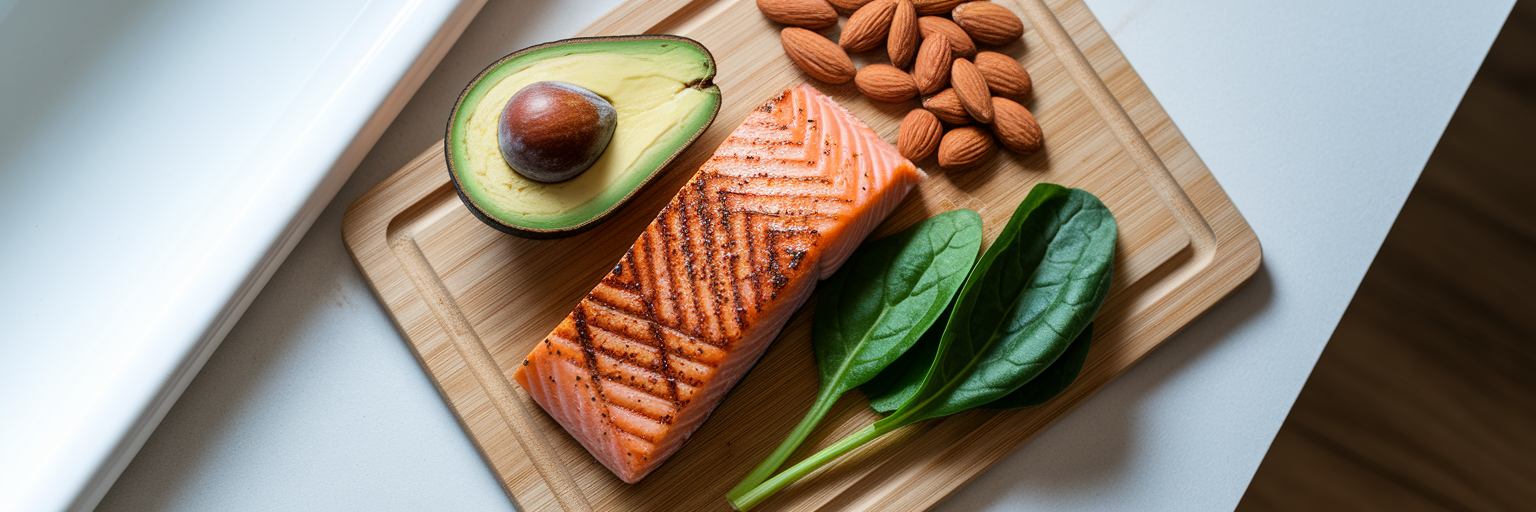
Using voice commands makes logging faster, but accuracy still depends on providing clear details. On a keto diet, where fats are your primary energy source, precision is everything. Vague entries can lead to inaccurate macro counts that undermine your efforts. Here are a few essential keto diet tracking tips to ensure your voice logs are as accurate as possible.
- Be Specific with Fats and Oils. Instead of saying, "I had a salad with dressing," be more descriptive. A better entry would be, "spinach salad with two tablespoons of olive oil and a squeeze of lemon." The type and amount of fat dramatically alter the macro profile, so specifying oils, butters, and creams is crucial.
- Describe Cooking Methods. How a food is prepared matters. Logging "chicken thigh" is incomplete. A more accurate entry is, "one chicken thigh pan-fried in one tablespoon of butter." This captures the fat absorbed during cooking, which is a significant source of calories and a key component of your keto macros.
- Estimate Portion Sizes with Visual Cues. You won't always have a food scale handy. In those moments, use common objects for reference. For example, log "a deck of cards-sized portion of steak" or "a thumb-sized amount of cheddar cheese." These visual analogies provide a much better estimate than a simple guess.
- Break Down Complex Homemade Meals. For dishes like stews or casseroles, log the core components. Instead of just "keto chili," say, "a bowl of keto chili made with a half-pound of ground beef, a half-cup of diced tomatoes, and a quarter-cup of shredded cheddar cheese." This gives your tracker the information it needs to provide a precise breakdown.
Adopting these habits ensures your data reflects what you actually consumed. When combined with a tool designed for a seamless experience, accurate tracking becomes second nature.
Calculating Net Carbs and Avoiding Hidden Sugars
For anyone on a keto diet, the most important metric is not total carbohydrates, but net carbs. The formula is simple: Total Carbohydrates – Fiber = Net Carbs. This number is what truly matters because fiber is a carbohydrate that your body doesn't digest, so it doesn't affect your blood sugar or interfere with ketosis. A capable tracking app should automatically calculate net carbs for keto, saving you from doing the math with every meal.
One of the biggest hurdles in a keto diet is avoiding hidden sugars and carbs that lurk in seemingly innocent foods. Sauces, dressings, and processed items are common culprits. Being mindful of these is key to staying within your daily carb limit. As an analysis by GetLabTest.com highlights, the ability to accurately calculate net carbs is a primary feature of the most reliable keto tracker apps.
Even foods marketed as "keto-friendly" should be logged and checked. Marketing claims don't always align with your personal macro targets. Here are some common foods where carbs can add up unexpectedly:
| Food Item | Common Serving Size | Typical Net Carbs |
|---|---|---|
| Balsamic Vinaigrette | 2 Tbsp | 3-6g |
| Store-Bought Marinara Sauce | 1/2 Cup | 8-12g |
| Flavored Yogurt (Low-Fat) | 1 Container (6 oz) | 15-25g |
| Breaded Chicken Nuggets | 4 Pieces | 10-15g |
| Ketchup | 1 Tbsp | 4-5g |
Logging everything, no matter how small, gives you a clear and honest picture of your intake, preventing accidental carb overages from derailing your progress.
Common Keto Tracking Mistakes and How to Fix Them

Even with the best tools, certain habits can compromise the accuracy of your tracking. Fortunately, these common mistakes are easy to correct once you know what to look for. Building awareness around these pitfalls is just as important as choosing the right app.
- Guesstimating Portion Sizes Consistently. The mistake is relying solely on visual estimates without any real-world reference. The fix is simple: use a food scale for just one week. This will calibrate your eye and make your future visual estimates far more accurate. For liquids and powders, consistently using measuring cups and spoons is a non-negotiable habit.
- Forgetting to Log Small Items. The mistake is ignoring the "little things" like a splash of cream in your coffee, a handful of nuts, or the sauce on your chicken wings. These macros add up. The fix is to log them the moment you consume them. A quick voice entry takes seconds and ensures nothing is forgotten.
- Taking Weekends Off from Tracking. The mistake is treating tracking as a weekday-only activity. Ketosis doesn't take weekends off, and inconsistency can easily push you out of it. The solution is to stay diligent. If you do go off-plan, log it honestly. This data helps you understand patterns and get back on track faster.
By turning these fixes into habits, you create a reliable data set that empowers you to make informed decisions and stay on the path to your health goals.