
The Accuracy Gap in Modern Nutrition Tracking
Millions of Americans use calorie tracking apps, yet a significant number struggle to see the results they expect. This often points to a simple but powerful issue: small, persistent inaccuracies in logging. These little errors compound over time, creating a gap between your perceived intake and your actual consumption that can stall progress. These are the calorie tracking mistakes that matter.
This article is not about achieving obsessive perfection. Instead, its purpose is to highlight five common and correctable habits that undermine your efforts. Think of this as a guide to becoming more mindful and effective with your tracking. By making a few adjustments, you can improve calorie counting and turn it from a daily chore into a reliable tool for managing your health and regaining momentum toward your goals.
Mistake 1: Relying on Visual Estimates for Portions
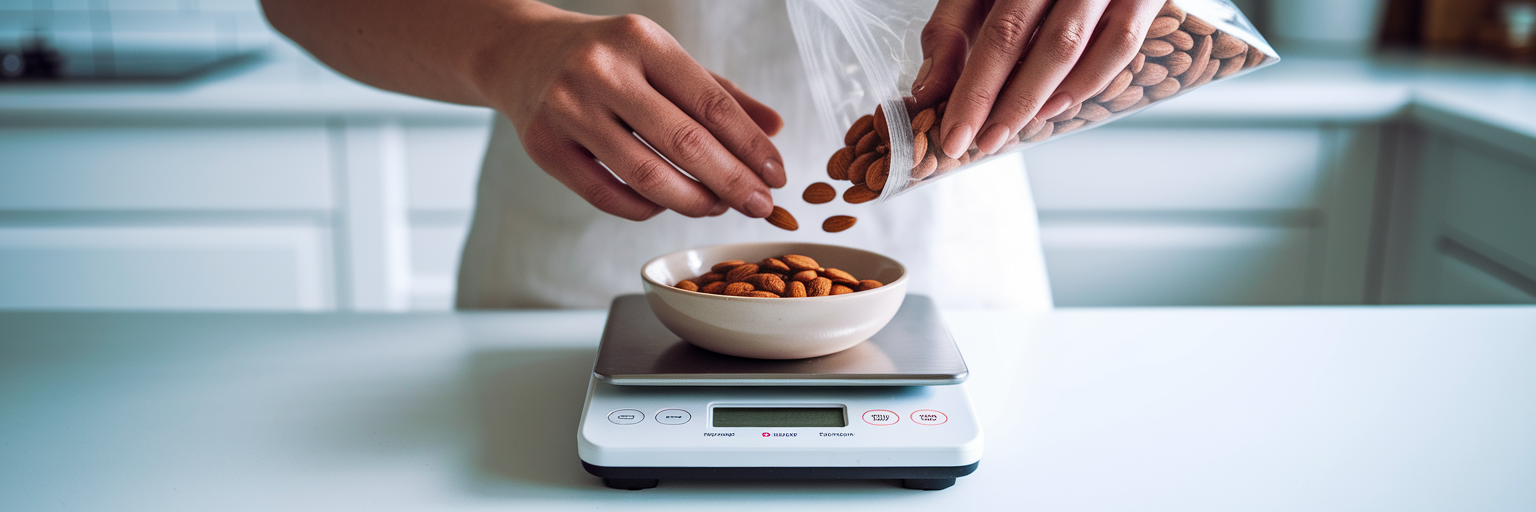
We’ve all done it. You grab a handful of almonds or pour a splash of olive oil into the pan, guessing the amount. This is where "portion distortion" begins. Our eyes are notoriously poor judges of quantity, especially with calorie-dense foods like oils, nuts, and grains. As research from the Harvard School of Public Health highlights, people can underreport their intake by a significant margin simply due to misjudging portion sizes.
The most reliable solution is a digital food scale. It removes the guesswork and provides accurate portion size measurement every time. Getting started is simple:
- Place your bowl or plate on the scale.
- Press the 'tare' or 'zero' button to reset it.
- Add your food until you reach the desired weight.
When a scale isn't practical, standardized measuring cups and spoons are your next best option. The initial effort of measuring does more than just ensure accuracy for one meal. It trains your eye over time, making your visual estimations far more reliable when you have no other choice. This single habit can dramatically close the gap between what you think you ate and what you actually consumed.
Mistake 2: Forgetting Liquid Calories and Add-ons
It’s easy to log your main meal but completely forget the soda you drank with it or the dressing on your salad. These "hidden" calories are frequent culprits in derailing progress. The brain doesn't register satiety from liquids like sugary sodas, specialty coffees, juices, and alcohol in the same way it does from solid food, making them easy to overconsume.
This oversight extends to calorie-dense add-ons that we often dismiss as insignificant. Think about the cooking oils, butter, sauces, and cheese that enhance our meals. They add up quickly. To build a better habit, adopt a simple rule: if you bite it, drink it, or spread it, you write it. This mental cue reinforces the practice of comprehensive logging.
The Hidden Calories in Common Add-Ons
| Item | Serving Size | Average Calorie Count |
|---|---|---|
| Olive Oil | 1 Tablespoon | 120 calories |
| Ranch Dressing | 2 Tablespoons | 130 calories |
| Peanut Butter | 2 Tablespoons | 190 calories |
| Shredded Cheddar Cheese | 1/4 Cup | 110 calories |
| Creamer (in coffee) | 2 Tablespoons | 40-70 calories |
Note: Calorie counts are approximate and can vary by brand and specific product. This table illustrates how seemingly small additions contribute significantly to daily energy intake.
Mistake 3: Inconsistent Logging and Delayed Entries

How often have you told yourself you’ll log your meals "later"? The problem is, human memory is unreliable. Delaying your entries is one of the most common food logging errors. It almost always leads to forgotten ingredients, inaccurate portion recall, or completely missed snacks. By the end of the day, you’re left with a misleading data set that causes confusion when your results don't match your logged intake.
The most effective solution is the "log-as-you-go" method. Capturing what you eat in the moment eliminates recall errors. We recognize that the friction of stopping to type and search a database can be a major barrier to consistency. Modern tools that allow for quick logging via voice or text can remove this obstacle entirely. Finding the best way to log meals is about making the process feel effortless. When logging is as simple as speaking a sentence, it becomes a sustainable habit rather than a disruptive task, which is the experience we designed at Saylo to provide.
Mistake 4: Blindly Trusting Generic Food Databases
Not all data is created equal. Many tracking apps rely on large, user-generated databases that can be a minefield of duplicate, incorrect, or outdated entries. A generic entry for "grilled chicken," for example, tells you nothing. Does it include the skin? Was it cooked in oil? What marinade was used? These details matter.
Even barcode scanners, while convenient, are only as reliable as the database entry they pull from. So, how to track calories accurately when using these tools? First, prioritize "verified" entries, which are often marked with a checkmark or symbol indicating they come from a trusted source. Second, become a cross-referencer. For any packaged food, always compare the app's data against the physical nutrition label on the product. It’s the ultimate source of truth.
For whole foods or restaurant meals where labels are unavailable, use an authoritative source for your information. The USDA's FoodData Central is a comprehensive and reliable database for this purpose. Taking these extra steps ensures the data you rely on is sound. It’s why privacy-first tracking solutions like ours focus on a clean and reliable user experience, because accurate insights depend on accurate data.
Mistake 5: Ignoring How Cooking Methods Alter Foods
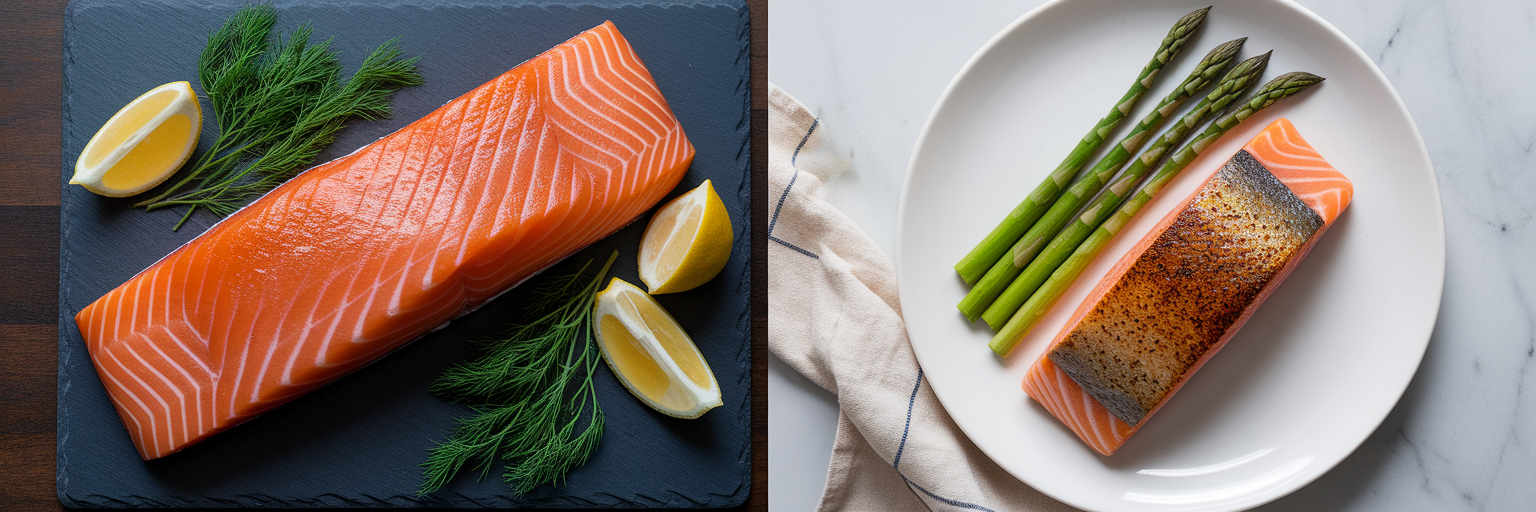
The nutritional profile of a food is not static. It changes based on how it is prepared, a detail that is frequently overlooked. A 100-gram raw potato has a very different calorie count than 100 grams of french fries, primarily due to the oil absorbed during frying. The same principle applies to nearly everything you cook.
To account for this transformation, the best practice is to log homemade meals by their individual raw ingredients. This means weighing the chicken before you cook it and adding separate entries for every tablespoon of oil, pat of butter, or splash of sauce used in the process. It might feel tedious at first, but it’s the only way to capture the meal’s true final calorie count.
When eating out, you don't have that level of control. Instead, become a menu detective. Look for descriptive words like "fried," "creamy," "sautéed," or "breaded." Use these clues to select a database entry that most closely reflects the final, consumed state of the food. This ensures all added calories from the cooking process are properly accounted for.
Building Sustainable and Accurate Tracking Habits
We've covered five common pitfalls: poor portioning, forgotten extras, inconsistent logging, unreliable data, and ignoring cooking methods. The key takeaway is not to chase perfection, which often leads to burnout. Instead, focus on consistency and mindfulness. The goal is to be consistently aware of what you consume, making small, incremental improvements to your logging habits.
Accurate tracking is a skill. When developed, it provides invaluable insight and gives you control over your health journey. By avoiding these common calorie tracking mistakes, you build trust in your data and empower yourself to make more informed decisions. With the right approach and tools, you can build sustainable habits that support your goals, and we believe a simpler, more private way to track like the one we offer can be a powerful partner in that process.