

Anyone who has tried to track their food intake knows the feeling. You start with good intentions, but the daily grind of measuring, searching, and logging wears you down. Studies have consistently shown that manual food diaries can be notoriously inaccurate, often underestimating calorie intake significantly. This isn't a personal failure; it's a flaw in the process itself.
The Hidden Flaws in Manual Food Logging
The frustration with traditional calorie tracking is a shared experience. The primary source of error often begins with portion size guesswork. Think about the difference between a level tablespoon of peanut butter and a heaping one scooped straight from the jar. That small difference can be 50 to 80 calories. These minor daily miscalculations compound quickly, quietly derailing your health goals over a week.
Then there is the problem of unreliable food databases. You grab a coffee from a local cafe or eat a meal at a neighborhood restaurant, but the exact item isn't listed in your app. You are forced to log a "close enough" entry from a national chain, hoping it is similar. This approach undermines the precision needed for anyone trying to understand how to track macros accurately. Your data becomes a collection of approximations rather than a true reflection of your diet.
This constant effort leads to what many experience as tracking fatigue. The mental energy spent searching for items, estimating portions, and entering data becomes exhausting. Inevitably, this leads to inconsistent logging or giving up on tracking altogether, leaving you without the insights you were seeking in the first place.
| Factor | Estimated Daily Intake | Actual Daily Intake | Daily Calorie Error | Cumulative Weekly Error |
|---|---|---|---|---|
| Day 1: Underestimating dressing | 2,000 kcal | 2,100 kcal | +100 kcal | +100 kcal |
| Day 2: 'Close enough' coffee | 2,000 kcal | 2,150 kcal | +150 kcal | +250 kcal |
| Day 3: Heaping spoonful of peanut butter | 2,000 kcal | 2,080 kcal | +80 kcal | +330 kcal |
| Day 4: Guessing pasta portion | 2,000 kcal | 2,200 kcal | +200 kcal | +530 kcal |
| Day 5: Forgetting a handful of nuts | 2,000 kcal | 2,170 kcal | +170 kcal | +700 kcal |
This table illustrates how seemingly minor daily inaccuracies in manual food logging can accumulate, leading to a significant calorie surplus over a week that can stall or reverse progress. Estimates are based on common logging mistakes.
AI's Role in Precise Nutrition Analysis

Artificial Intelligence offers a direct solution to the inaccuracies of manual logging. An AI nutrition tracker uses machine learning to interpret enormous food datasets with far more nuance than a simple keyword search. The technology at the heart of this evolution is Natural Language Processing (NLP), which allows for conversational voice food logging. Instead of typing and searching, you can simply speak.
Imagine saying, "I had a large coffee with a splash of oat milk and a bowl of oatmeal with blueberries." An advanced NLP system parses that single sentence into its distinct components and quantities, instantly calculating the nutritional information without any manual entry. As noted in HealthTech Magazine, AI algorithms are now capable of analyzing complex user inputs to significantly improve logging accuracy. This automation effectively removes the human error and cognitive biases that lead us to underestimate what we eat.
While some apps use image recognition, this still requires you to pull out your phone, frame a shot, and correct the AI’s guesses. Advanced NLP provides a faster, screen-free alternative for those who value efficiency and consistency. This technology is at the core of advanced voice-powered trackers, making the entire process feel less like a chore and more like a quick conversation.
Why Instant Feedback Accelerates Progress
The precision of AI is powerful, but its real impact comes from speed. Instant feedback shifts your approach from reviewing past meals to making proactive, in-the-moment decisions. When you see a complete macro breakdown immediately after logging lunch, you can make timely adjustments for the rest of your day. You might realize you need a protein-rich snack to meet a daily target or that you have room for a treat later.
This real-time data creates a positive habit loop. The immediate confirmation that you are on track reinforces healthy choices and builds momentum. It transforms tracking from a reflective exercise into a forward-looking tool. For an active person, this could mean using an accurate calorie tracking app to check carbohydrate intake before a 10K run or ensure sufficient protein intake right after a weightlifting session at the gym. The data becomes a partner in your performance.
The key advantages of instant feedback are clear:
- Proactive daily adjustments: Correct your course before the day is over.
- Reinforcement of positive habits: Immediate results encourage consistency.
- Data-driven performance optimization: Fuel your body for what it needs right now.
The Shift Toward Hyper-Personalized Nutrition
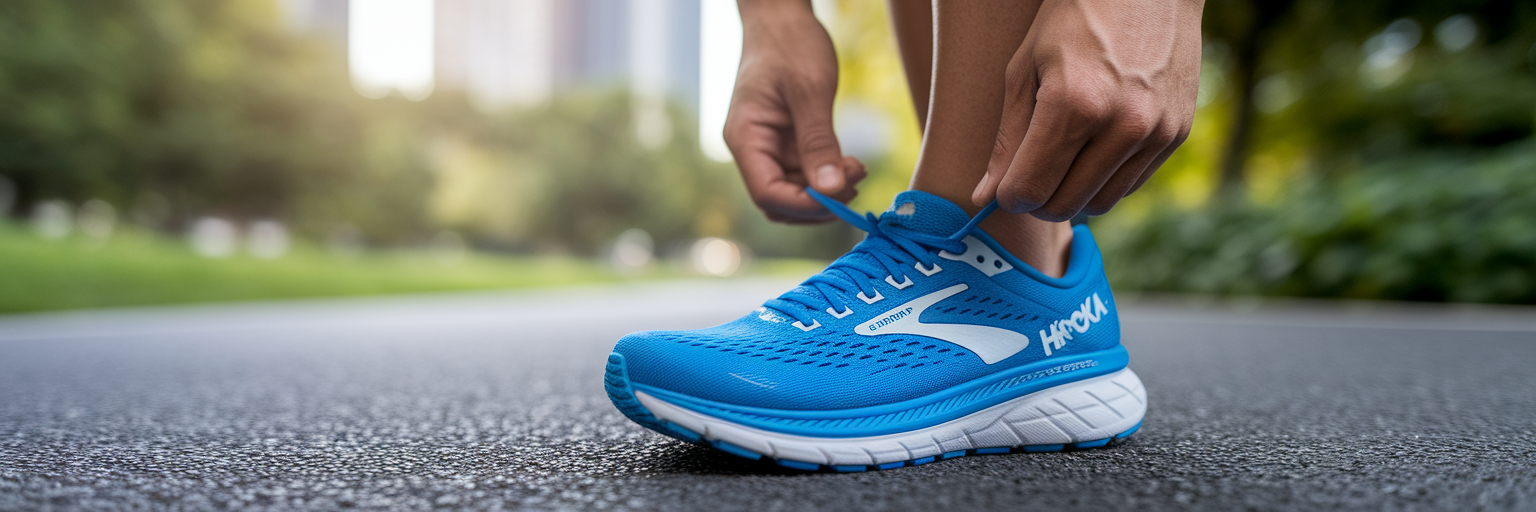
Modern tracking is moving beyond static daily goals and toward intelligent, adaptive nutrition. Advanced systems can integrate with data from wearables like an Apple Watch or Fitbit. Instead of sticking to a fixed calorie target, the system can dynamically adjust your goals based on your actual activity level for that day. A long run might increase your carb target, while a rest day might lower it automatically.
Over time, this continuous logging reveals personal dietary patterns you might otherwise miss. An AI-powered tool can highlight how specific meals impact your reported energy levels or show how your macronutrient ratios differ on weekends compared to weekdays. These insights are specific to you, not based on generic advice.
This integration points to an exciting evolution in personal health management. The next frontier could involve combining nutrition data with other biometric inputs, like sleep quality from an Oura Ring or heart rate variability. This would allow for predictive and highly individualized recommendations, turning your tracker into a truly personal health advisor. This progress is being powered by the next generation of nutrition tools.
Upholding Your Privacy with Modern Trackers
With all this personal data, privacy becomes a primary concern. Many traditional health apps require you to create an account and store your sensitive dietary information on cloud servers. This practice creates risks, from data breaches to your information being sold to advertisers. Your health journey should not become a commodity.
The solution is a commitment to privacy-by-design and on-device processing. In simple terms, this means an app processes and stores all your data locally on your phone. The developer has zero access to your personal food logs, preferences, or trends. The data belongs to you and stays with you. This makes a private calorie counter the gold standard for users who prioritize security and data ownership.
When evaluating an app’s trustworthiness, here are a few actionable steps:
- Read the privacy policy. Look for phrases like "on-device processing," "no accounts required," and "we never sell your data."
- Be wary of account requirements. Question why an app needs you to create an account just to log your food.
- Scrutinize app permissions. A food tracker should not need access to your contacts or precise location.
Your health data is deeply personal. You have the right to track it without compromising your privacy.