

The Unique Challenge of Tracking High-Fiber Foods
High-fiber diets are widely recognized for their benefits to digestion and overall health, yet they are notoriously difficult to track accurately. The problem isn't the diet itself, but the nature of the foods it includes. Fiber-rich meals are often complex, featuring a mix of ingredients that make manual logging a tedious chore. Think of a multi-grain bowl, a hearty lentil soup, or a vibrant vegetable salad. Each component must be found in a database, estimated for quantity, and entered one by one.
This friction is where good intentions often fall apart. We’ve all been there, trying to deconstruct a homemade meal on a traditional tracking app. How much quinoa was in that scoop? Was that a quarter or a third of an avocado? This guesswork introduces significant errors, making it hard to get a clear picture of your daily intake. The time and effort required can lead to inconsistent logging or giving up altogether.
Without a reliable method for how to track fiber intake, you are left with a vague sense of your nutrition rather than concrete data. This uncertainty undermines the very reason you started tracking, making it difficult to connect your dietary choices to your health goals for satiety and digestive wellness.
How Voice Logging Simplifies Fiber-Rich Meal Entry

The slow, fragmented process of typing out every ingredient is a major barrier to consistent tracking. This is where voice logging offers a fundamentally better approach. Instead of tapping and searching, you can simply describe your meal in a single, natural sentence. This simple shift transforms a chore into a quick, conversational action.
Imagine trying to log a complex lunch. Manually, you would search for spinach, then chickpeas, then avocado, then dressing. With voice, you can log meals with voice by saying, "For lunch, I had a salad with two cups of spinach, a half cup of chickpeas, a quarter of an avocado, and two tablespoons of olive oil dressing." Modern AI can parse that entire phrase, identifying each ingredient and its quantity in seconds. This is the core of effective voice logging for nutrition.
The primary benefits are speed and reduced friction. By making the process faster and more intuitive, you are more likely to log meals consistently and with greater detail. This consistency is what builds a valuable, long-term record of your nutritional habits. Furthermore, the convenience of hands-free logging is a practical advantage. You can record what you ate while cleaning up the kitchen or even during the meal itself, capturing details accurately while they are still fresh in your mind. Advanced tools like modern voice-powered calorie trackers are specifically designed to handle these complex, multi-ingredient commands, making precise nutrition management more accessible than ever.
Best Practices for Precise Fiber Voice Logging
To get the most out of voice logging, a little precision in how you speak goes a long way. The goal is to give the AI clear, unambiguous information to work with. Adopting a few simple habits can dramatically improve the accuracy of your entries and provide you with more reliable data. These accurate calorie counting tips help create a smoother experience for both you and the technology.
Here are four key practices to follow:
- Be Specific About Foods and Preparation. Instead of saying you had "quinoa," specify "one cup of cooked quinoa." The difference between raw and cooked volumes can be significant. Similarly, "steamed broccoli" provides more accurate data than just "broccoli," as preparation can alter nutritional values.
- Articulate Quantities Clearly. Use standard American measurements to eliminate guesswork. Phrases like "one cup," "two tablespoons," or "four ounces" are much more effective than vague terms like "a little" or "a scoop." For whole items, use descriptive sizes such as "a medium apple" or "one large sweet potato."
- Follow a Consistent Meal Structure. A helpful template is to state the meal type first, followed by the ingredients. For example, "For breakfast, I had one cup of Greek yogurt with a half cup of raspberries and one tablespoon of chia seeds." This logical sequence helps the AI process the information correctly.
- Review and Confirm Your Entry. After logging, take a quick second to glance at the entry on your screen. This allows you to catch any misinterpretations immediately and make a quick correction if needed. This habit ensures your data remains clean and accurate over time.
| Vague Voice Command | Specific Voice Command | Why It Matters for Accuracy |
|---|---|---|
| 'I had a bowl of oatmeal.' | 'I had one cup of cooked oatmeal with a tablespoon of brown sugar and a half cup of blueberries.' | Specifies portion size and adds sugar/fruit macros. |
| 'I ate a salad for lunch.' | 'For lunch, I had a salad with three cups of romaine, one grilled chicken breast, and two tablespoons of Caesar dressing.' | Defines the base, protein, and high-fat dressing. |
| 'I had some nuts as a snack.' | 'I had a quarter cup of raw almonds for a snack.' | Identifies the nut type and portion, which varies greatly in calories. |
| 'I ate a bean burrito.' | 'I had a large flour tortilla with one cup of black beans, a quarter cup of shredded cheese, and salsa.' | Breaks down a complex food into its core components. |
Note: This table illustrates how adding detail about preparation, quantity, and specific ingredients provides the AI with the necessary data for a precise nutritional breakdown.
Navigating Common Hurdles in Fiber Tracking
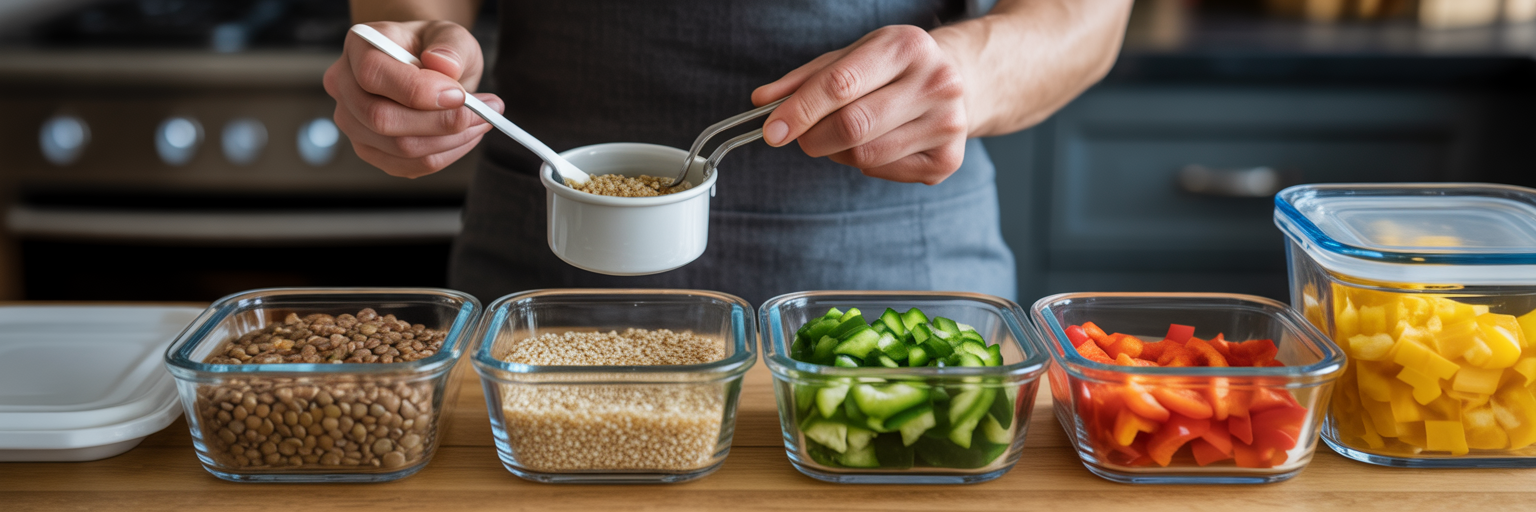
Even with the best tools, tracking nutrition in the real world comes with challenges. Acknowledging these hurdles and having a strategy to handle them is key to maintaining consistency. Here are solutions for some common issues you might encounter when tracking a high-fiber diet.
- Logging Restaurant or Pre-Made Meals: When you don't know the exact ingredients or quantities, perfection can be the enemy of progress. Instead of skipping the entry, log the most identifiable components. If you had a grain bowl, you can estimate "about one cup of brown rice, a half cup of black beans, and grilled vegetables." A reasonable estimate is always better than a blank entry.
- Soluble vs. Insoluble Fiber: While a high fiber diet tracking app may only display total fiber, being descriptive in your voice entries helps you mentally categorize your intake. Logging "oatmeal with flax seeds" versus a "kale salad with bell peppers" allows you to see if you are getting a good variety of fiber sources, which is important for digestive health.
- The Raw vs. Cooked Dilemma: This is a frequent point of confusion. A cup of raw spinach shrinks to a fraction of its size when cooked. To avoid errors, always specify the state of the food in your voice command, such as "one cup of raw spinach" or "a half-cup of cooked spinach."
- Unrecognized Niche Products: AI databases are vast but not infinite. If you use a specialty brand of protein powder or a unique ingredient the AI doesn't recognize, a hybrid approach works best. Use voice to log the generic components of your meal, then take a moment to manually add or adjust the specific item. This balances the speed of voice with the need for precision.
Using On-Device Analytics to Understand Your Fiber Intake
Tracking data is only useful if it leads to insights. The true power of consistent logging comes from analyzing your trends over time. A major advantage of on-device analytics is the ability to get instant feedback without your personal information ever leaving your phone. This approach aligns with a strict zero data sharing policy, ensuring your nutritional data remains completely private.
With your data stored locally, you can use daily and weekly views to monitor your fiber intake against established benchmarks. According to the official recommendation for American adults, daily fiber intake should be around 25 grams for women and 38 grams for men. Seeing your progress toward this goal can be a powerful motivator.
Look beyond just the total number. Analyze the sources of your fiber to ensure you are getting a healthy variety from fruits, vegetables, whole grains, and legumes. If you notice your intake is consistently low on certain days, you can make targeted adjustments, like adding a high-fiber snack in the afternoon. This process of tracking, analyzing, and adjusting is how you turn data into sustainable, healthy habits. Making these dietary adjustments is an investment in long-term health. For some, this commitment extends to professional ventures like health coaching, where understanding financial resources, such as options for small business loans for construction or other startup costs, becomes part of the journey.