

The Unique Challenge of Tracking High-Fiber Foods
High-fiber diets are celebrated for their health benefits, but they come with a unique tracking challenge. Meals rich in fiber, like a hearty lentil soup or a multi-grain salad loaded with beans and seeds, are composed of numerous ingredients. Manually entering each component into a traditional tracking app quickly becomes a chore. We’ve all been there, trying to deconstruct a meal piece by piece, and the mental effort is draining.
This leads to what many experience as “logging fatigue.” The sheer tedium of searching for every single item, from the type of bean in your chili to the specific seeds sprinkled on your salad, can make consistency feel impossible. It’s easy to give up on tracking altogether, not because you lack discipline, but because the process itself is flawed and time-consuming.
Another significant hurdle is portion size ambiguity. Estimating the exact amount of quinoa in a mixed bowl is far more difficult than logging a pre-packaged protein bar with a clear nutrition label. This guesswork often results in inaccurate data, which defeats the purpose of tracking. These common fiber tracking mistakes aren't a personal failing. They are a direct consequence of using outdated methods to track complex, wholesome foods. The tools simply haven't kept up with the way we eat, creating a barrier between our health goals and our ability to measure progress accurately.
Why Consistent Fiber Tracking Matters for Your Health
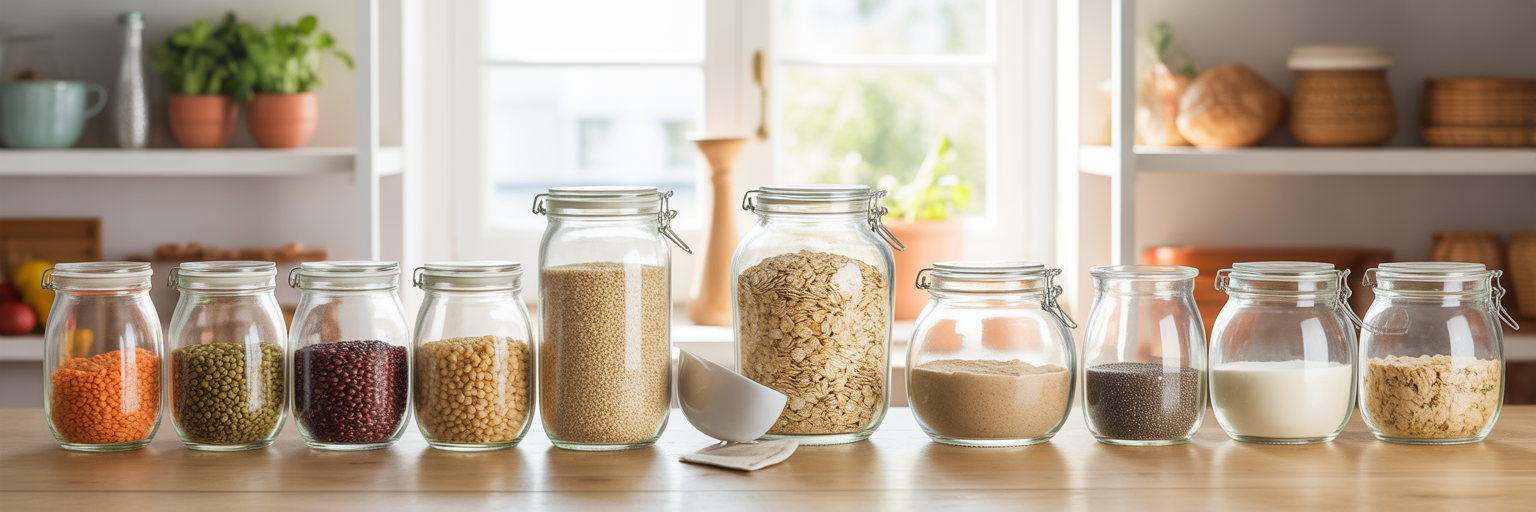
Moving past the difficulties of tracking, it’s important to remember why consistency is worth the effort. Fiber is a cornerstone of a healthy diet, playing a fundamental role in our overall well-being. Its most well-known function is promoting digestive health. A steady intake helps maintain regularity and nourishes the beneficial bacteria in your gut microbiome, which is linked to everything from mood to immunity.
The benefits of tracking fiber extend to effective weight management. High-fiber foods increase satiety, that feeling of fullness and satisfaction after a meal. When you feel full longer, you are less likely to overeat, making it easier to maintain a healthy weight without feeling deprived. Think about the difference between eating a bowl of oatmeal versus a sugary pastry. The oatmeal keeps you satisfied for hours, thanks to its fiber content.
According to the Mayo Clinic, dietary fiber also offers significant long-term health advantages. Consistent and adequate intake is linked to a reduced risk of chronic conditions, including heart disease and type 2 diabetes. For most adults in the United States, the recommended daily intake is around 25 grams for women and 38 grams for men, a target many people struggle to meet.
Key health benefits include:
- Improved Digestive Regularity: Fiber adds bulk and softens stool, making it easier to pass.
- Enhanced Gut Health: It acts as a prebiotic, feeding healthy gut bacteria.
- Better Weight Management: High-fiber foods promote fullness, helping control calorie intake.
- Lowered Disease Risk: It helps lower cholesterol and stabilize blood sugar levels.
Achieving these benefits requires consistent intake, and accurate tracking is the only way to know if you're hitting your goals. A modern approach to nutrition tracking can provide the clarity needed to make informed decisions for your health.
Common Pitfalls in Manual Fiber Logging
Beyond the fatigue of the process, manual logging is often plagued by inaccuracies that undermine your efforts. One of the most frequent issues is what can be called "ingredient amnesia." It’s the tendency to forget small but significant fiber sources, like the tablespoon of flax seeds you added to a smoothie or the handful of nuts sprinkled over a salad. These minor omissions add up, creating a distorted picture of your daily intake.
Another of the most common fiber tracking mistakes is "guesstimating" mixed dishes. When you log a generic "vegetable soup" from a database, you miss the specific fiber contributions of the carrots, celery, beans, and barley that were actually in your bowl. The same goes for restaurant meals, where nutritional information is often generalized or completely unavailable. This leads to a significant underestimation of your fiber consumption, preventing you from making effective dietary adjustments.
These cumulative errors mean your data is flawed. You might think you’re falling short of your fiber goals when, in reality, your logging method is what’s failing you. The table below illustrates how a detailed voice log captures what manual entry often misses.
| Meal Component | Typical Manual Log Entry | Detailed Voice Log Entry | Fiber Estimate Difference |
|---|---|---|---|
| Chili Base | '1 cup chili' | '1 cup homemade chili with kidney beans, black beans, and tomatoes' | +8g fiber |
| Toppings | (Often forgotten) | 'Topped with a quarter avocado and two tablespoons of Greek yogurt' | +4g fiber |
| Side | (Often forgotten) | 'With a slice of whole-grain cornbread' | +3g fiber |
| Total | ~10g Fiber | ~25g Fiber | ~150% More Accurate |
Note: This table illustrates how narrative voice logging captures details often missed in manual entry, leading to a more accurate reflection of actual fiber intake. Estimates are based on USDA food data averages.
This gap in accuracy highlights the need for a better tool. A purpose-built high-fiber diet tracking app can resolve these issues by capturing the full detail of your meals.
How Voice Logging Streamlines High-Fiber Meal Tracking
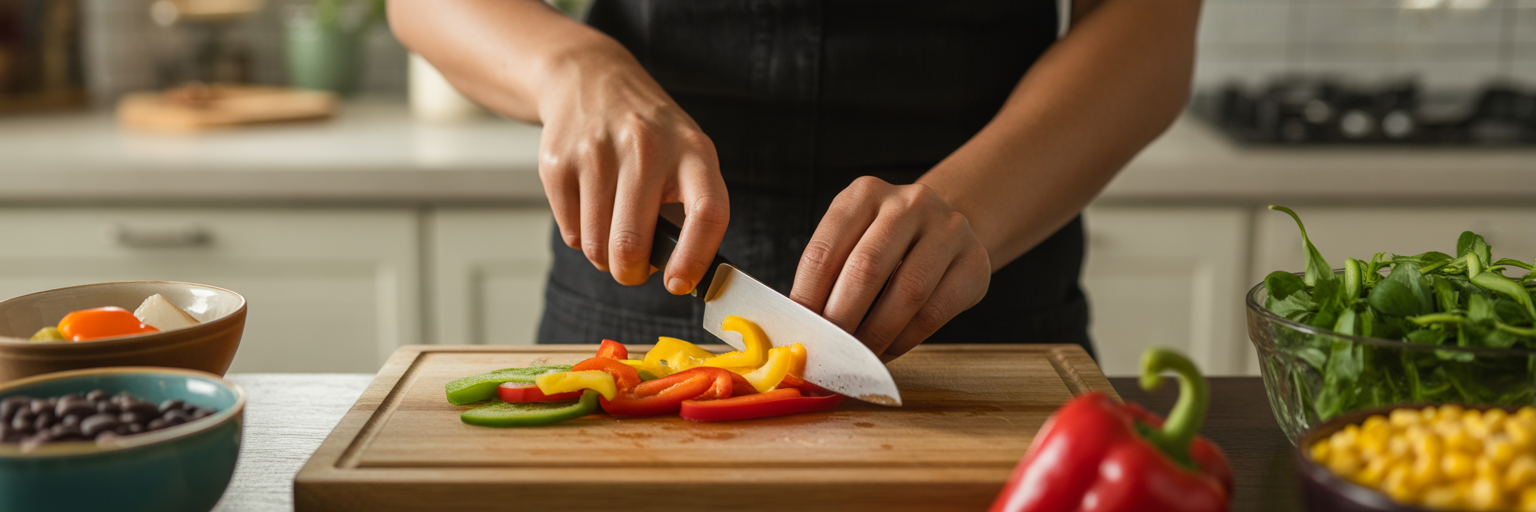
Voice logging offers a direct solution to the fatigue and inaccuracy of manual tracking. It provides an easy way to log meals by transforming the process from a data entry task into a simple conversation. Instead of typing, searching, and estimating, you just speak what you ate. For example, you can say, "I had a cup of oatmeal with blueberries, walnuts, and a scoop of chia seeds."
This narrative approach naturally overcomes "ingredient amnesia." Because you are describing your meal as you would to a friend, you are far more likely to include all the components, from the main ingredients to the toppings and sides. The technology behind voice logging for nutrition is designed for this. On-device AI parses your spoken description, identifies each food item and its quantity, and instantly calculates the complete nutritional information, including your total fiber intake.
This innovation is part of a broader movement in health technology. As highlighted by pioneers in the field like ICON, AI is being leveraged to create more personalized and effective healthcare solutions. In nutrition, this means tools that understand natural language to deliver precise insights.
Crucially, the best systems prioritize your privacy. With a privacy-first voice nutrition tracker, all processing happens directly on your device. Your meal logs are stored locally in an encrypted database, and no personal dietary data ever leaves your phone. There are no accounts to create and no information is sent to servers. This builds trust and removes any hesitation about logging consistently. It positions technology not as an intrusive observer, but as a secure and helpful assistant dedicated to your health goals.
Actionable Tips for Precise Voice Logging
Adopting voice logging is simple, but a few habits can make your tracking even more accurate. Following these tips will help you master how to track fiber intake with precision and ease.
- Be Descriptive and Specific. Instead of saying "I had a chicken salad," describe it fully: "I had a large spinach salad with grilled chicken, a half-cup of chickpeas, cherry tomatoes, and a vinaigrette dressing." The more detail you provide, the more accurate your nutritional data will be.
- Log as You Go. The best time to log a meal is right after you eat it, while the details are still fresh in your mind. This habit takes only a few seconds and prevents you from forgetting ingredients later in the day.
- Mention Quantities and Preparation. Whenever possible, include amounts like "one cup of quinoa," "a handful of almonds," or "two slices of whole-wheat toast." Also, mention how food was prepared, such as "steamed broccoli" versus "raw broccoli," as this can affect nutritional values.
- Do a Quick End-of-Day Review. Take a moment before bed to glance over your daily log. This helps you spot any omissions and reinforces a mindful approach to your eating habits. It’s a great way to connect your daily choices with your long-term health goals.
By incorporating these simple practices, you can turn your smartphone into a powerful tool for managing your high-fiber diet. Ready to see how simple it is? You can start tracking your meals with just your voice and experience the difference for yourself.