
The Challenge of Tracking a Diverse Diet
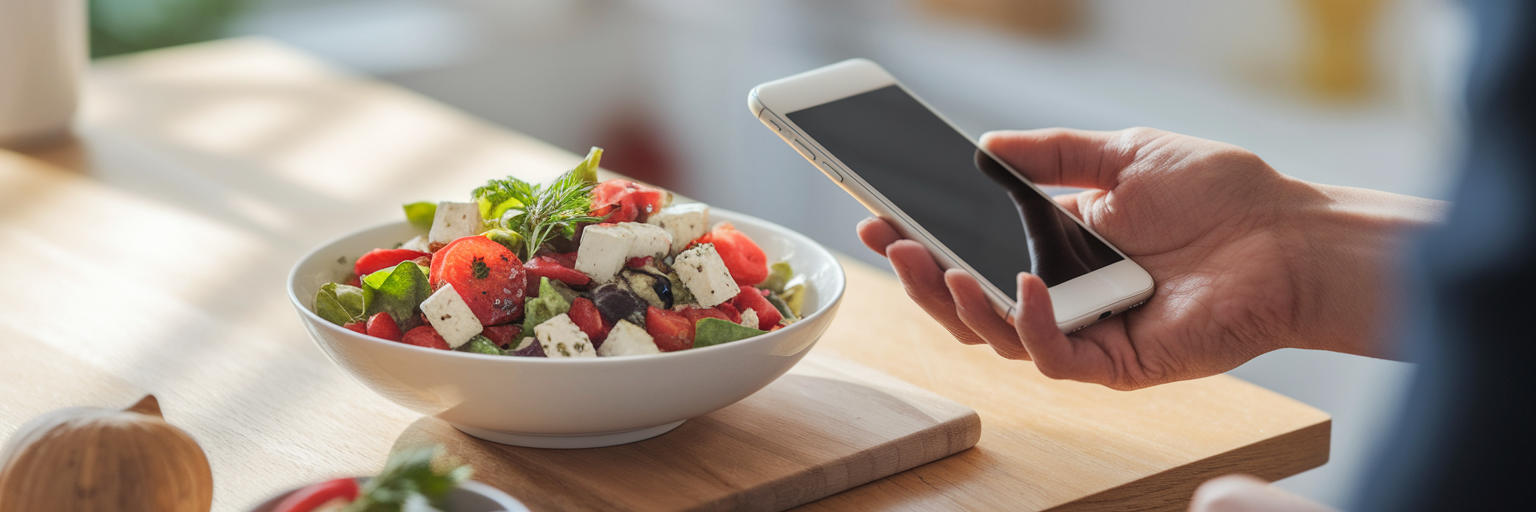
The Mediterranean diet is widely celebrated in the United States for its incredible flavors and health benefits, built around whole foods like fresh vegetables, olive oil, and fish. Yet, anyone who has tried to follow it consistently knows the hidden challenge. We can all picture that moment: staring at a beautiful plate of paella or a layered Greek salad and feeling a sense of dread about logging it. The process is tedious and often inaccurate.
Manually searching for every single ingredient, estimating portions, and adding them one by one is a significant barrier. It’s the kind of friction that causes people to abandon tracking altogether, even with the best intentions. This is where voice logging for nutrition changes the entire dynamic. It transforms the chore of data entry into a simple, conversational act, making consistency finally feel achievable.
The Speed and Simplicity of Speaking Your Meals
Imagine finishing a meal and simply stating, "For breakfast, I had Greek yogurt with honey and walnuts." That's the core of voice logging. Instead of navigating menus and typing, you speak in natural language, and the technology instantly parses the information, logging the complete nutritional data. This process can take as little as 15 seconds, a stark contrast to the minutes spent on manual entry. This is the essence of fast meal logging.
For busy Americans, this convenience is transformative. You can log your lunch while cleaning up the kitchen or record a snack while heading out the door, which dramatically improves adherence. You’re no longer tethered to your phone screen. Some of the most advanced systems even work entirely offline, so you can log a meal on a flight or in an area with poor reception without missing a beat. This reliability removes another common point of failure in traditional tracking, making it a truly modern nutrition tracking method that fits into your life, not the other way around.
Achieving High Accuracy with Complex Dishes
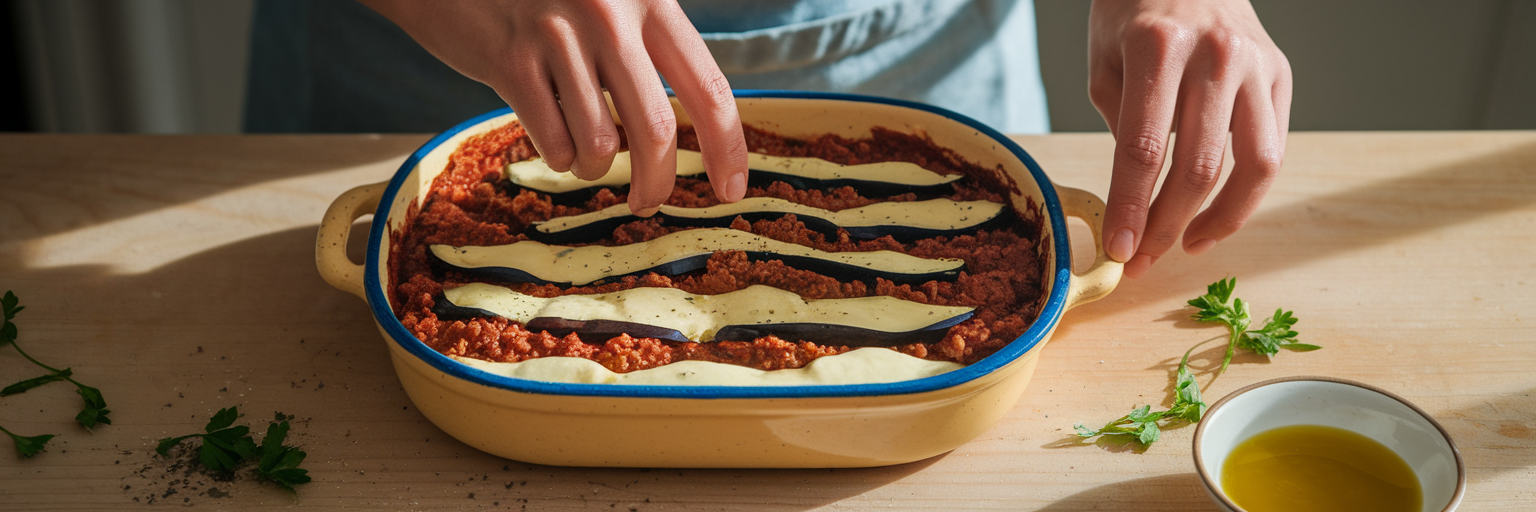
It’s natural to be skeptical. How can an app accurately calculate the calories in a complex dish like moussaka just from your voice? The answer lies in advanced Natural Language Processing (NLP), the same kind of technology behind many AI-driven healthcare solutions designed to understand complex information. Instead of just saying "moussaka," the key is to verbally deconstruct the meal. This is how to log complex meals effectively.
For instance, you would say, "I had one serving of moussaka with ground lamb, eggplant, and béchamel sauce." The AI is trained to identify each component and its likely quantity, calculating a highly precise nutritional total. This method often proves more accurate than manual logging, where users might select a generic "moussaka" entry that doesn't match their specific recipe. A quality accurate calorie tracking app will also include a confirmation step. It shows you the items it transcribed from your voice, allowing you to quickly review and make any corrections before finalizing the entry. This simple feedback loop ensures you remain in full control while benefiting from the AI's speed.
Maintaining Macro Balance Effortlessly
One of the main goals of the Mediterranean diet is to achieve a healthy balance of macronutrients: quality carbohydrates, lean proteins, and healthy fats. Manually calculating these percentages after every meal is tedious and impractical. Voice logging automates this entire process, helping you track mediterranean diet macros without the mental math. When you log a meal, the system instantly updates your daily totals, giving you a clear, visual snapshot of your progress.
This creates a powerful real-time feedback loop. If you log a lunch that was higher in healthy fats, you can see your remaining macro "budget" for the day at a glance. This empowers you to make a smarter choice for dinner, perhaps opting for a leaner protein, without any guesswork. The goal isn't just to record what you ate; it's to gain immediate insight that guides your next decision. With an intuitive calorie and macro tracker, this becomes an effortless, background process that supports your health goals.
| Macronutrient | Recommended Daily Percentage | Key Food Sources |
|---|---|---|
| Carbohydrates | 45-55% | Whole grains, fruits, vegetables, legumes |
| Protein | 15-20% | Fish, poultry, beans, lentils, nuts |
| Healthy Fats | 30-35% | Olive oil, avocados, nuts, seeds |
Note: These percentages are general guidelines. Individual needs may vary based on activity level and health goals. The focus is on the quality of food sources.
Capturing the Small Details That Count

The true benefits of the Mediterranean diet often come from the details: the drizzle of olive oil, the handful of nuts, or the glass of wine with dinner. These are the very items that are easiest to forget or ignore in manual logging because they feel insignificant. Yet, they contribute significantly to your intake of healthy fats and beneficial polyphenols. Voice logging makes capturing these "micro-moments" effortless.
The AI is trained to understand descriptive, non-standard portion sizes that reflect how people actually eat. This allows for a far more complete and honest picture of your daily nutrition. You can simply say:
- For a snack: "a handful of almonds and ten Kalamata olives."
- When dressing a salad: "a tablespoon of extra virgin olive oil and a squeeze of lemon."
- With dinner: "a five-ounce glass of red wine."
- For a morning coffee: "a black Americano with a splash of oat milk."
By making it easy to log these small but crucial details, you get a more accurate understanding of your habits and ensure you’re truly reaping the diet's rewards.
Tips for Overcoming Common Logging Hurdles
While voice logging is incredibly efficient, you can make it even more accurate by keeping a few simple tips in mind. These practices help the AI better understand your specific eating patterns and deliver the most precise results possible.
- Use Standardized Names: Say "Greek salad" instead of a regional name like "horiatiki" for better database matching. The system is trained on common English terms, so sticking to them yields the best results.
- Be More Descriptive: Instead of just "fish," specify the type and preparation, like "six ounces of baked cod." This small change dramatically improves accuracy by removing ambiguity.
- Correct the AI: If the app misinterprets an item, correct it. Most advanced systems learn from your input, improving recognition over time and personalizing the experience to your specific diet.
- Sync Your Health Data: For a more holistic view, connect your logging app to platforms like Apple Health. This allows the app to automatically adjust your calorie needs based on your daily activity, creating a dynamic and personalized plan.
A Smarter Path to Sustainable Health

Following a healthy lifestyle like the Mediterranean diet shouldn't feel like a chore. By removing the friction of manual data entry, voice logging saves time, improves accuracy with complex meals, and makes managing macronutrients feel effortless. It’s a tool that finally makes long-term consistency feel not just possible, but simple.
However, as you track your health, the privacy of that data is paramount. Your personal nutrition information belongs to you and you alone. That’s why choosing a privacy-focused nutrition tracker is so important. The ideal solution is one that processes all data directly on your device, requires no accounts, and never sends your health information to a server. When your data stays with you, you can focus on your wellness with complete peace of mind, knowing your journey is secure. For those who value this principle, consider exploring a privacy-first app that puts your security at the forefront.