

The Challenge of Tracking a Diverse Diet
The Mediterranean diet is celebrated for its health benefits, built on a foundation of fresh vegetables, healthy fats, and whole foods. Yet, this very diversity creates a significant hurdle for anyone trying to track their intake. Its strength, the variety of ingredients in homemade meals, becomes a weakness when you sit down with a traditional food logging app. There are no barcodes to scan on a layered moussaka or a complex seafood paella.
We can all picture that moment of hesitation before logging a meal. You’re forced to deconstruct your plate, mentally listing every component. You have to search for and individually enter the eggplant, the ground lamb, the tomatoes, the pinch of oregano, and that drizzle of olive oil. This process is not just tedious. It’s prone to error. Did you forget the onions? How much feta was really in that salad?
This friction is often what leads people to abandon their mediterranean diet food log altogether. The frustration of spending more time logging a meal than eating it undermines the consistency needed to see real results. The goal is to understand your nutrition, not to become a full-time data entry clerk for your own kitchen.
| Task | Manual Logging | Voice Logging |
|---|---|---|
| Logging a Greek Salad | Search & add lettuce, tomato, cucumber, onion, feta, olives, olive oil, lemon juice individually. | Say, 'I had a Greek salad with feta, olives, and two tablespoons of olive oil dressing.' |
| Time to Log | 2-5 minutes | Under 30 seconds |
| Accuracy Risk | High risk of forgetting minor ingredients or misjudging quantities. | Lower risk, as natural language captures more detail upfront. |
| User Effort | High friction, requires multiple steps and searches. | Low friction, involves a single, intuitive action. |
Voice Logging as a Seamless Solution
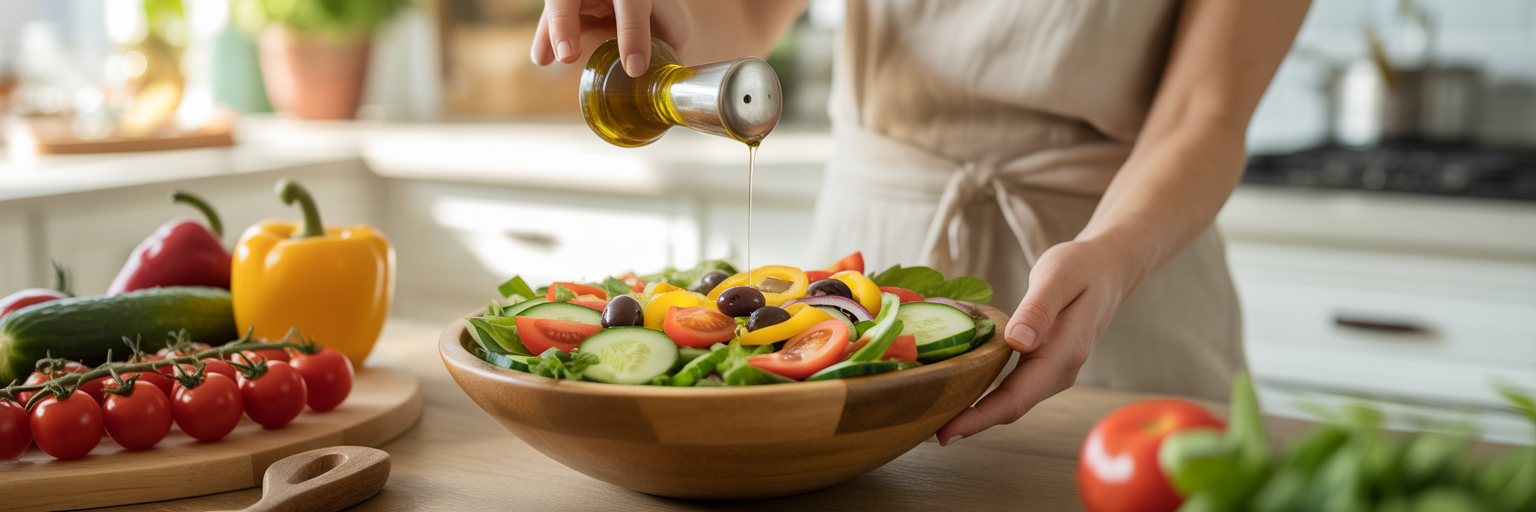
Building on the frustrations of manual entry, there is a more intuitive method that aligns perfectly with the nature of the Mediterranean diet. The solution is voice logging for nutrition, a technology that transforms how you record what you eat. Instead of tapping and searching through endless databases, you simply speak. The core concept is straightforward: you describe your meal in natural language, and intelligent software translates your words into detailed nutritional data instantly.
For example, you can just say, "For lunch, I had grilled salmon with a cup of quinoa and roasted asparagus." The system parses this single sentence, identifying each food item and its quantity, then calculates the calories and macros. This approach is uniquely suited for the varied meals of the Mediterranean diet because it effortlessly handles multiple ingredients in one fluid command. There is no need to break down your meal into a checklist of separate items.
The most significant benefits are speed and consistency. When logging a meal takes only a few seconds, the primary barrier to daily tracking disappears. It stops feeling like a chore and becomes a simple, reflexive habit. A modern nutrition tracker with voice makes this possible, turning the tedious task of data entry into a quick conversation with your device. With a tool like the one we've developed, you can capture your meals accurately as you live your life, without interrupting your flow. This consistency is what ultimately helps you achieve your long term health goals, providing a clear picture of your eating habits over time.
Practical Tips for Logging Complex Dishes
Now that you understand the efficiency of voice logging, let's focus on the practical steps for getting accurate results. Knowing how to log complex meals correctly is a skill, but it’s far simpler than manual entry. With a few good habits, you can ensure your data is precise and useful. Here are a few techniques to get the most out of voice logging:
- Be Descriptive, Not Vague
Provide more context than just the name of the dish. Instead of saying "I ate moussaka," be more specific: "I had one serving of beef moussaka with eggplant and béchamel sauce." This additional detail helps the AI identify the correct components and deliver a much more accurate nutritional breakdown. The more you describe, the less guesswork is involved. - Review and Refine Your Entry
After your voice entry is processed, take a few seconds to review the listed ingredients. This is your chance to make small but impactful adjustments. For instance, you might refine "ground beef" to "90% lean ground beef" or specify "whole wheat pita" instead of a generic entry. As noted in a MyFitnessPal blog post, the ability to easily handle multiple foods and serving sizes is a key advantage of voice technology. This quick refinement step builds confidence in your data. - Estimate Restaurant Meals with Confidence
When you're eating out, you won't know the exact recipe. That’s okay. Use descriptive language to make an educated estimate. For example, log "about a cup of the seafood paella with shrimp and mussels" or "a chicken souvlaki wrap with tzatziki sauce." Describing portion sizes and visible ingredients empowers you to get a reasonably accurate log without needing the chef’s recipe book.
These habits mirror effective strategies for simplifying complex logging tasks that apply across many fields, as you might find discussed on productivity resources like the PostingCat blog. Advanced apps that allow for these quick post entry adjustments make the entire process feel both powerful and reliable.
Ensuring Macro Accuracy with Fats and Oils
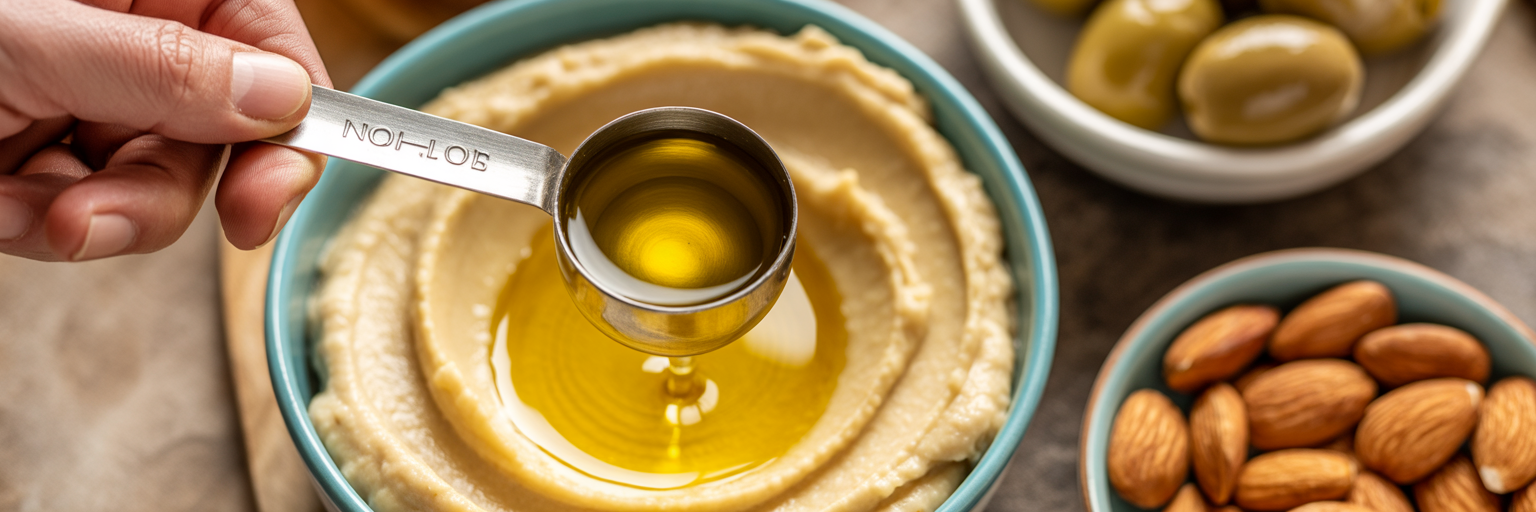
One of the most important aspects of the Mediterranean diet is its emphasis on healthy fats from sources like olive oil, nuts, and avocados. While beneficial, these ingredients are calorie dense, and misjudging them can quietly derail your macro targets. This is where precision in your logging becomes non negotiable. Vague entries like "salad with dressing" are not enough if you want a true picture of your intake.
Here are some accurate calorie tracking tips specifically for fats and oils:
- State Quantities Explicitly: Make it a habit to specify amounts in your voice commands. Instead of saying, "I had a salad with olive oil and nuts," say, "I had a salad with two tablespoons of olive oil and a quarter cup of walnuts." This specificity removes ambiguity and ensures your calorie and fat counts are correct.
- Verify the Fat Source: After logging, quickly check that the app correctly identified the ingredient and its nutritional profile. For example, ensure it registered "extra virgin olive oil" and not a generic "vegetable oil," as their fatty acid profiles can differ. A good app pulls from a verified database to ensure this accuracy.
- Create Custom Recipes for Frequent Use: If you make your own olive oil vinaigrette or frequently eat the same mix of nuts and seeds, save it as a custom recipe. Once saved, you can log it with a simple command like "my homemade dressing," ensuring perfect accuracy every time without repeating the ingredients.
A reliable tool designed for this level of detail is essential to track mediterranean diet meals with the precision they require. When your app can distinguish between different types of oils and specific quantities, like the one we offer, you gain the confidence that your nutrition data truly reflects what you ate.
Building Consistency with a Privacy-First Approach
Ultimately, the easier it is to log your meals, the more likely you are to do it consistently. A frictionless process helps build a sustainable habit, which is the foundation of long term success. But as you track your health, have you considered where that sensitive dietary data is stored?
We stand firm in our belief that privacy is not a premium feature. Your personal food logs belong to you. That is why it is important to choose tools that operate entirely on your device. With a privacy first design, your meal entries are never sent to a server, shared with third parties, or used for analytics. All your information stays encrypted and local, on your phone.
This approach offers peace of mind, allowing you to focus on your health without worrying about data breaches or how your information is being used. The combination of effortless voice logging and uncompromising security, as offered by a privacy-first nutrition app like ours, represents a modern and trustworthy way to manage your health journey.