
The Unique Challenge of Tracking Plant-Based Meals
Anyone who enjoys plant-based cooking knows the feeling. You create a vibrant, nutrient-packed bowl with grains, legumes, roasted vegetables, and a homemade dressing, only to face the tedious task of logging every single ingredient. While these meals are incredibly healthy, their complexity makes manual nutrition tracking a frustrating and often inaccurate chore. You find yourself squinting at labels and endlessly scrolling through food databases.
This leads to the common problem of miscalculating what you actually eat. The protein in a hearty lentil soup or the healthy fats in a tahini sauce are easily underestimated in a quick manual log. It’s a familiar story: you spend more time tapping away in an app than enjoying your food. This friction often leads to inconsistent tracking, and for many, giving up on the goal entirely. The data becomes unreliable, and the whole process feels more like a burden than a tool for empowerment.
The Rise of Voice-First Nutrition Logging

That feeling of frustration from manual logging is precisely what new technology aims to solve. A voice nutrition tracker app is a tool that uses artificial intelligence to interpret your spoken meal descriptions and instantly calculate the nutritional data. Instead of typing, searching, and estimating, you simply say what you ate. This shift from tapping to talking dramatically reduces the friction that causes so many people to abandon their tracking goals.
The core benefits are speed and convenience. According to the MyFitnessPal blog, logging a meal with voice can take as little as 15 seconds. This isn't just a minor improvement; it's a fundamental change that promotes consistency. When a habit is this easy to maintain, you are far more likely to stick with it. This aligns with a broader movement in personal health, where, as highlighted by AI-driven healthcare innovations, technology is making health management more intuitive and accessible.
What was once a niche feature is now a credible and established tool. This signals a clear shift toward more user-friendly interfaces that make tasks like easy vegan meal logging a seamless part of your daily routine. The technology is finally catching up to the user’s need for simplicity and accuracy.
Tips for Effective Voice Logging on a Plant-Based Diet
To get the most accurate results from voice logging, the key is to be descriptive. The more detail you provide, the more precise the nutritional breakdown will be. Think of it as having a conversation about your meal. Here’s how to master it:
- Be specific and descriptive. Instead of just saying "vegan chili," try "one bowl of black bean and sweet potato chili with a side of brown rice." This allows the AI to identify each component and its nutritional contribution, giving you a much clearer picture of your intake.
- Use natural language for measurements. You don’t need to be a human calculator. Modern AI understands conversational phrases like "a handful of walnuts," "two tablespoons of olive oil," or "a medium-sized apple." Speak as you normally would, and let the technology do the work.
- Mention fortifications and supplements. Plant-based diets often rely on fortified foods and supplements for key nutrients. Be sure to state "fortified almond milk" to capture added calcium and vitamin D, or "one scoop of pea protein powder" to accurately track your protein boost. This is crucial for understanding your micronutrient intake.
- Quickly review your entries. While AI is powerful, a quick glance to confirm the app’s interpretation ensures the highest data quality. This simple step takes only a second and helps maintain the accuracy of your long-term trends.
This level of detail is especially important for those wondering how to track plant-based macros correctly. As research from Reverse Health notes, vegan protein can be under-reported by as much as 15% without a proper ingredient breakdown. A modern voice nutrition tracker app is designed to handle this kind of detailed, natural language input, turning a complex task into a simple one.
Uncovering Hidden Macronutrients in Your Meals
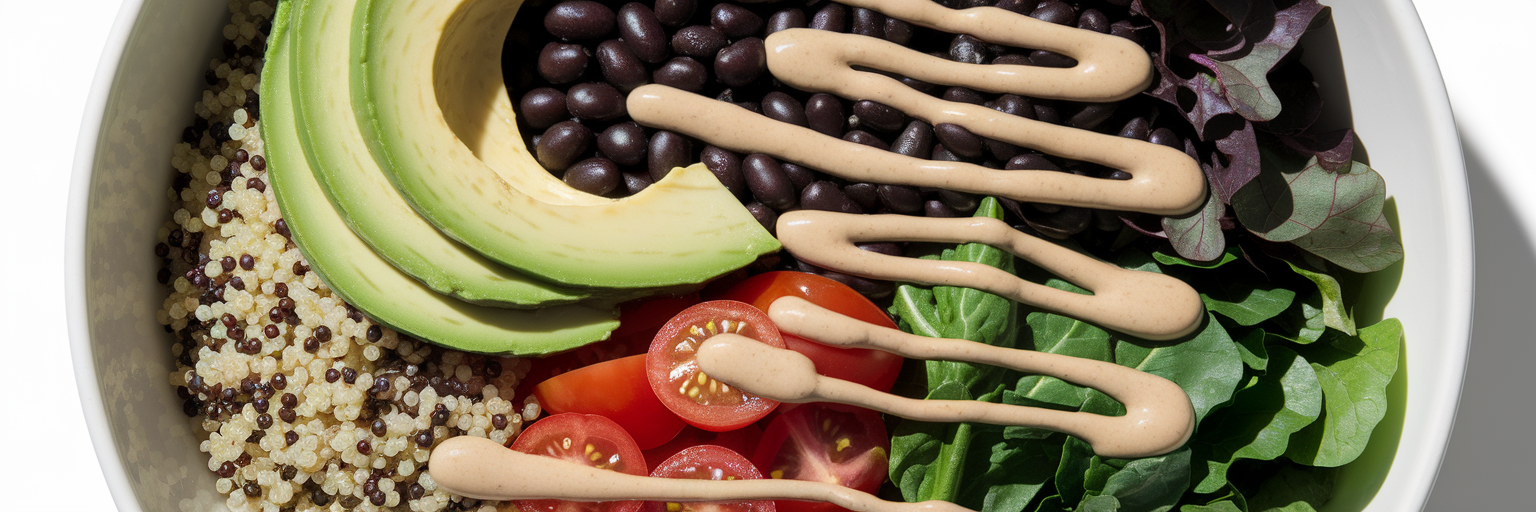
The real power of voice logging becomes clear when you use it to uncover the hidden macros in vegan food. A quick manual entry often misses the nuances of a complex meal, but a detailed spoken description brings them to light. Consider a salad. You might manually log it as just "quinoa salad," which gives you a vague and incomplete picture.
Now, imagine saying: "Large spinach salad with a cup of quinoa, half an avocado, and tahini dressing." An advanced AI can parse each component, accurately assigning protein from the quinoa, healthy fats from the avocado and tahini, and fiber from the spinach. This solves a common issue in plant-based diets: underestimating protein while over-relying on fats from oils and dressings. The difference in accuracy is significant.
| Entry Method | User Input | Estimated Protein | Estimated Fat |
|---|---|---|---|
| Quick Manual Log | 'Quinoa Salad' | 10g | 8g |
| Detailed Voice Log | 'Large quinoa and black bean salad with avocado and tahini dressing' | 22g | 25g |
| Nutritional Difference | - | +12g | +17g |
As the table shows, the detailed voice log reveals a much more complete nutritional profile. This granular data empowers you to make informed choices and truly balance your diet. Having the right tool, such as an advanced nutrition tracker, makes this process almost effortless.
Leveraging Nutrition Trends to Refine Your Diet
Consistent logging does more than just track individual meals; it creates a valuable personal dataset that reveals your dietary patterns over time. Instead of aiming for perfection each day, you can use these trends to make gentle, sustainable adjustments for long-term health. This is where the real insights emerge.
By reviewing your trends, you can spot opportunities for improvement:
- Protein Pacing: Do you notice your protein intake dips on weekends? You can proactively plan to include protein-rich snacks like edamame or a handful of almonds on those days.
- Fat Sources: Is your fat intake consistently higher than you'd like? You might discover it's coming from cooking oils or dressings and decide to use less or switch to whole-food fat sources like avocado.
- Micronutrient Gaps: For those on a plant-based diet, tracking nutrients like iron and B12 is vital. Trend data can help you see if you are consistently falling short, prompting you to add more lentils for iron or ensure you are taking your B12 supplement.
This kind of analysis transforms tracking from a chore into a strategic tool for self-improvement. The best app for a plant-based diet is one that makes it simple to visualize these patterns and refine your eating habits with confidence.
The Future of Smart and Private Nutrition Tracking

The evolution of nutrition tracking is heading toward an even more seamless experience, with voice, image recognition, and AI converging to make logging nearly invisible. However, as our devices get smarter, a critical question arises: who owns your health data? The future of personal health management depends on trust.
We are seeing a necessary shift away from data-hungry models toward a privacy first nutrition app. This new standard means technology that operates entirely on your device, requires no accounts, and never sends your personal information to a server. Your meal logs, preferences, and trends are stored locally and encrypted, belonging only to you. We believe that privacy is not a feature to be negotiated; it is a fundamental right, especially when it comes to your health.
Ultimately, the goal is technology that acts as an invisible, effortless, and trustworthy partner, empowering you to achieve your health goals with complete peace of mind.