

The Foundation of Accurate Nutrition Tracking
Tracking what you eat is a powerful tool for self awareness, not a method for restriction. With a significant number of adults actively managing their diet, many find their progress stalls unexpectedly. The reason often lies in small, consistent errors that compound over time, turning a helpful habit into a source of frustration. These minor inaccuracies in your daily log can obscure the true picture of your nutritional intake, making it difficult to understand what is and is not working.
Think of meal logging as a skill. Like any skill, it improves with practice and by learning to avoid common pitfalls. The goal is not to achieve flawless perfection from day one, but to build a reliable record that empowers you to make informed decisions. Understanding these frequent mistakes is the first step to improve food tracking accuracy and gain clear insights into your health.
Mistake 1: Underestimating Portion Sizes
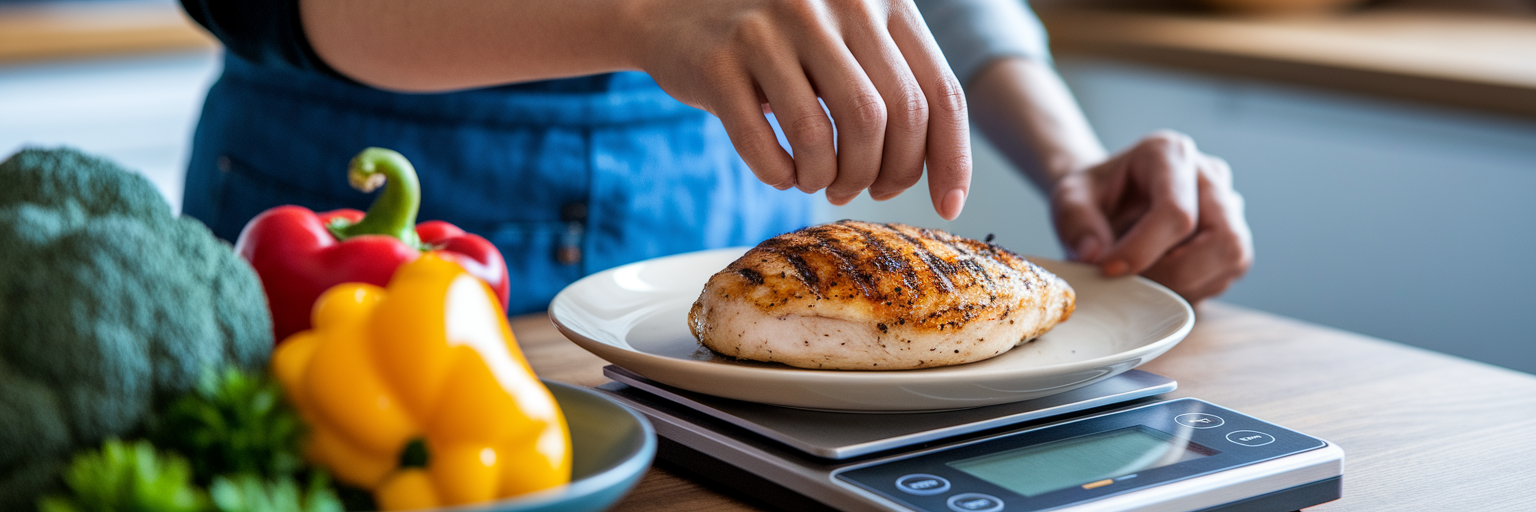
We have all done it. You eyeball a serving of chicken or a scoop of peanut butter and log what feels right. The problem is that our visual estimates are notoriously unreliable. This phenomenon, often called portion distortion, is one of the most common sources of logging errors. As research from institutions like the Harvard T.H. Chan School of Public Health shows, people frequently underestimate their food intake when relying on sight alone.
The fix is simpler than you think. Use a digital kitchen scale for just one week. This is not a permanent chore but a short term calibration exercise to train your eyes. For times when a scale is not practical, use your hand as a guide for avoiding portion size errors:
- A palm-sized portion for protein like meat or fish.
- A cupped hand for carbohydrates like rice or pasta.
- A fist for a serving of vegetables or fruit.
- The tip of your thumb for dense fats like nut butter or oil.
Mistake 2: Forgetting the 'Extras'
A chicken breast and a cup of rice seem straightforward enough to log, but what about the tablespoon of olive oil used to cook them? Or the creamy dressing on your side salad? These "extras" are a primary source of calorie creep, where small, unlogged additions accumulate and significantly alter your daily totals. It is easy to overlook these items because they are not the main event of the meal.
To combat this, adopt a simple rule: if you eat it or drink it, log it. This includes everything from the splash of creamer in your morning coffee to the handful of nuts you grabbed as a snack. Make a habit of logging these items as you prepare your meal, not after you have finished eating. Pay close attention to:
- Cooking oils, butters, and sprays.
- Sauces, dressings, and condiments.
- Sweetened beverages like juice, soda, or specialty coffees.
- Garnishes like cheese, bacon bits, or croutons.
Mistake 3: Relying on Inaccurate Food Databases
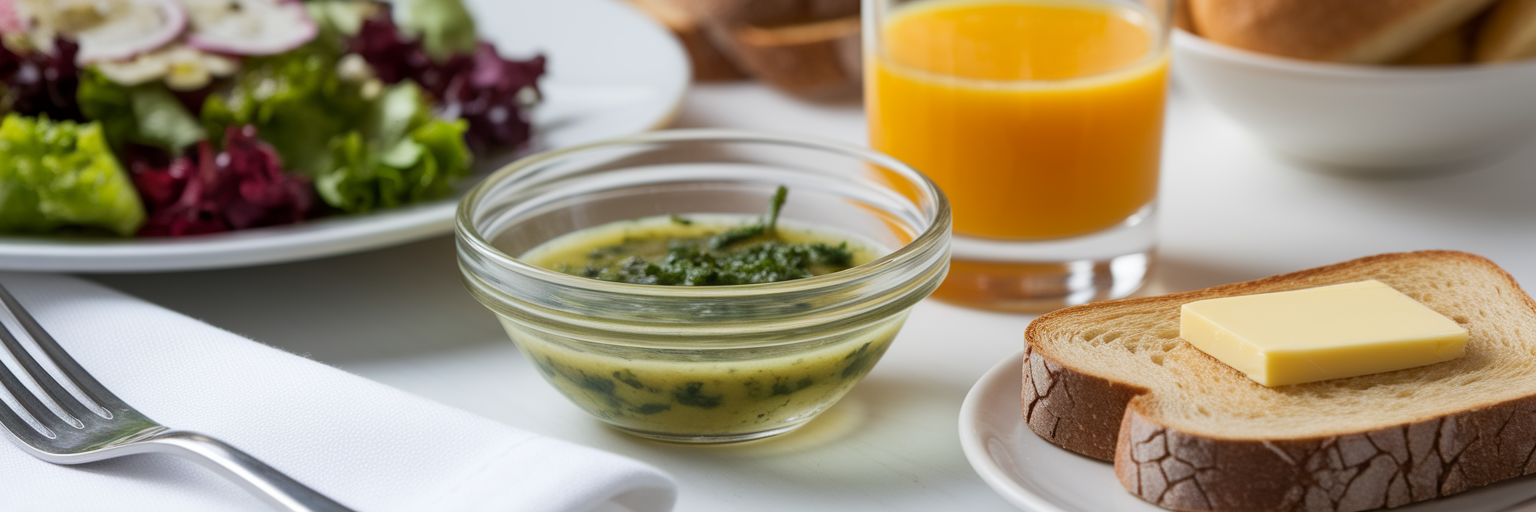
Not all food databases are created equal. Many are filled with user generated entries that can be wildly inaccurate. A search for "chicken salad" might return dozens of options, but which one matches yours? The one with Greek yogurt, or the one with full fat mayonnaise? Relying on a generic entry can throw off your entire day’s data.
To ensure your log is trustworthy, you need to be more selective. The best way to track macros is to use precise data. Here is how:
- Prioritize verified entries. Many apps mark these with a checkmark to indicate they come from a reliable source.
- Use official restaurant data whenever you eat out. Most major chains publish their nutritional information online.
- Create custom meals for recipes you make often. This saves time and guarantees consistency every time you log it.
Using a tracker with a reliable, curated food database is essential for success. Tools like our app remove the guesswork by providing verified data, helping you build a log you can trust.
Mistake 4: Inconsistent or Delayed Logging
How accurately can you recall every ingredient from a meal you ate eight hours ago? Human memory is fallible, and waiting until the end of the day to log your food is a recipe for inaccuracy. You are likely to forget portion sizes, miss those "extras" we discussed, or even forget a snack entirely. These are some of the most common calorie counting mistakes, and they all stem from delayed entry.
The solution is to log your meals in real time, either right before or immediately after you eat. This might sound tedious, but modern tools have made it nearly effortless. With frictionless methods like voice or text entry, you can record an entire meal in just a few seconds. This simple shift in timing transforms logging from a memory test into a quick, accurate habit that fits seamlessly into your day.
Mistake 5: Skipping Entire Meals in Your Log
Sometimes, the temptation to skip logging a meal is strong. It might be due to guilt over an indulgent dinner or simply because you were too busy to pull out your phone. However, an incomplete log is an unusable one. When you omit a meal, you create a false picture of your intake, which leads to confusion when your results do not match your efforts. It is a bit like trying to balance a checkbook with missing transactions.
Approach logging as pure data collection, not a moral judgment. Every entry, whether it is a salad or a slice of cake, provides valuable information. Just as research from the National Institutes of Health suggests that skipping meals can disrupt metabolic function, skipping them in your log disrupts the integrity of your data. An honest record is the only record that can help you make informed decisions for your health.
Mistake 6: Not Accounting for How Food Is Prepared

Logging "4oz of chicken breast" is a good start, but it does not tell the whole story. The way food is prepared can dramatically change its nutritional profile. For example, meat loses water and weight when cooked, while grains absorb water and gain weight. This is why it is a best practice to weigh and log ingredients in their raw state for maximum accuracy.
Furthermore, the cooking method itself adds calories. A baked chicken breast has a very different calorie count than one that is breaded and deep fried. If you cannot weigh ingredients raw, be sure to find a database entry that specifies the cooking method. Using tools that simplify the process of finding specific entries, like those in our app, can make a significant difference.
| Cooking Method | Estimated Added Calories | Why It Matters |
|---|---|---|
| Baked / Poached | ~0 kcal | No added fats or oils. |
| Grilled (with light oil) | ~40-50 kcal | 1 tsp of oil adds significant calories. |
| Pan-Fried (in oil) | ~90-120 kcal | Chicken absorbs more oil during frying. |
| Deep-Fried (breaded) | ~200-300+ kcal | Breading and oil absorption dramatically increase calories. |
Note: Calorie estimates are approximate and vary based on the specific amount of oil, breading, and cooking time. The data illustrates the importance of logging the cooking method, not just the food itself.
Mistake 7: Misusing Voice and Text Logging
Voice and text logging are incredibly efficient, but their speed can also be a pitfall if you are not mindful. Saying "chicken sandwich" is fast, but it lacks the detail needed for an accurate entry. Is it grilled or fried? On white or whole wheat bread? With mayonnaise or mustard? Ambiguity is the enemy of accurate tracking.
To get the most out of these powerful tools, follow a few simple voice meal logging tips:
- Speak clearly and be specific. Instead of just "apple," say "one medium honeycrisp apple."
- Include quantities and units. Say "one cup of cooked rice" or "two tablespoons of almond butter."
- Review the entry before saving. Always take a second to confirm the app transcribed your entry correctly.
The same principle applies to text logging. Avoid vague abbreviations and be as descriptive as possible. These tools are designed to make your life easier, but their accuracy ultimately depends on the quality of your input.
Building a Better Logging Habit

Learning how to log meals accurately is about building mindful habits, not chasing perfection. The key is consistency. Instead of trying to fix all seven mistakes at once, pick one or two to focus on this week. Perhaps you will start by using your hand to estimate portions or by making sure to log the oil you cook with.
Each small improvement builds on the last, creating a more reliable and insightful record of your nutrition. This data is your personal roadmap, giving you the clarity needed to take control of your health. By turning these insights into action, you can start building a more accurate logging habit today with a tool like our app.