

The Challenge of Consistent Nutrition Tracking
Many of us start tracking our food with the best intentions. It feels like a proactive first step toward better health. But then reality sets in. The daily ritual of manual logging quickly becomes a chore. You find yourself scrolling through endless food databases, trying to find the exact brand of yogurt you ate, guessing the weight of a chicken breast, and meticulously adding every single ingredient from your salad.
This constant, repetitive work leads to what many experience as ‘tracker fatigue.’ It’s that feeling of mental exhaustion that makes you skip logging a snack, then a meal, and soon, the entire habit is abandoned. It’s not a lack of willpower. According to a study in the Nutritional Journal, the high burden of manual entry is a significant barrier to long term adherence. People simply stop because the process is too demanding.
The friction isn't in the desire to be healthy, but in the tools we use. When a method requires that much time and mental energy, it’s bound to fail in the context of a busy life. The problem isn't you; it's the tedious, outdated process of manual tracking that makes consistency feel almost impossible to achieve.
The Shift to Voice-Powered Simplicity

To solve the problem of tracker fatigue, we need to change the method itself. This is where voice meal logging comes in, representing a fundamental shift in how we approach nutrition tracking. Instead of fighting with databases and menus, you simply speak. The technology behind it uses on-device artificial intelligence to understand what you say, converting your spoken words into detailed nutritional data instantly.
This isn't just about convenience. Because the AI meal logging happens directly on your phone, it requires no internet connection and ensures your information remains private and secure. The real advantage is the radical efficiency. Consider the difference: manually searching for and logging "a turkey sandwich on whole wheat with lettuce and tomato" can take several minutes. Speaking that same phrase takes about five seconds. This is more than a small time saver; it’s a complete removal of the friction that causes people to quit.
With this effortless process, nutrition tracking with voice fits seamlessly into your day. You can log your breakfast while packing lunches, record your post-workout shake while stretching, or document your meal between meetings without breaking your focus. As noted by TechCrunch, advancements in AI are making personal health technology more integrated into our lives. Consistency becomes achievable because the barrier to entry has been eliminated.
When Voice Logging Makes a Difference
The true value of voice logging becomes clear when you see how it fits into the small, rushed moments of everyday life. It’s not about finding time to track; it’s about capturing information as it happens. Here are a few scenarios where this makes all the difference:
- The Morning Rush: Picture a parent juggling making breakfast, packing school lunches, and getting everyone out the door. There’s no time to sit down and fiddle with an app. With voice logging, they can simply say, “a cup of black coffee and a bowl of oatmeal with blueberries” without putting anything down or losing their rhythm. The log is done before the toast is even ready.
- The Post-Workout Window: You’ve just finished a tough session at the gym and are mixing a protein shake. This is the perfect time to log it, while the details are fresh. Instead of waiting until you get home, you can use a voice calorie tracker to record your shake and any post-workout snack on the spot, ensuring complete accuracy.
- The Desk Lunch: Many professionals eat at their desks, squeezed between meetings and deadlines. Pulling out a phone to manually log a meal can be distracting and time consuming. A quick, discreet voice command like, “a chicken Caesar salad and an apple,” lets you log your meal and immediately return your focus to your work.
These examples highlight the power of in-the-moment logging. By closing the gap between eating and recording, you are far less likely to forget ingredients, misjudge portion sizes, or simply give up. This leads directly to more accurate data and, more importantly, sustainable consistency.
Tips for Accurate Voice Logging
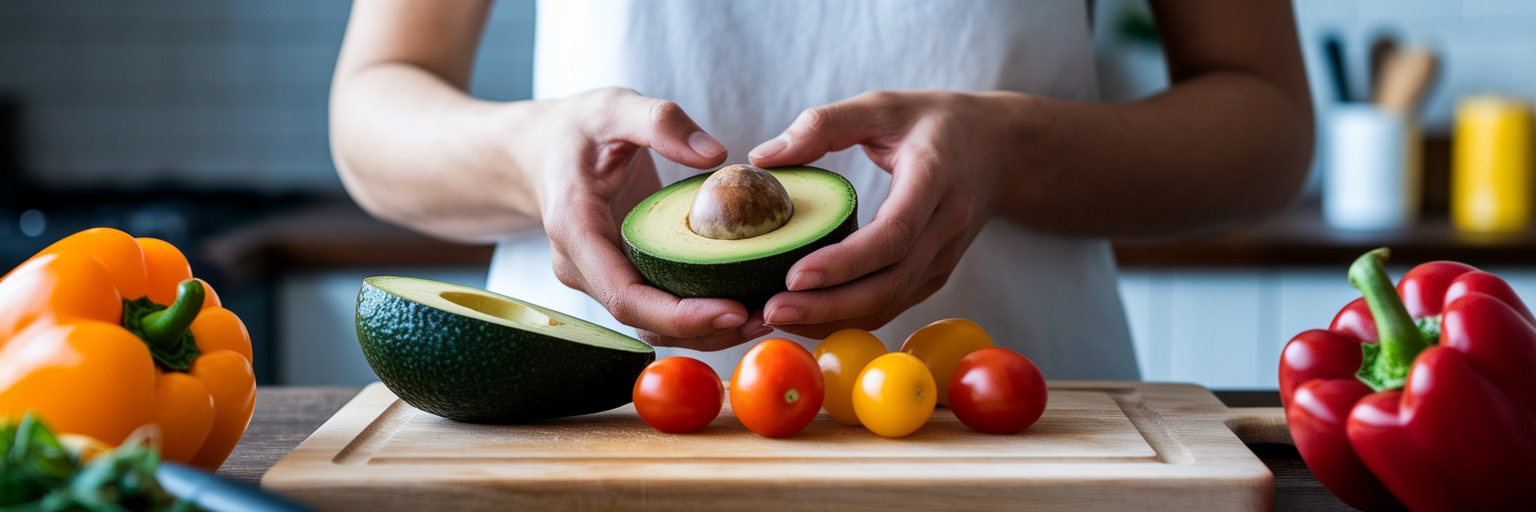
Getting the most out of voice technology is about creating a partnership with the AI. While the system is smart, providing clear information helps it deliver the most precise results. Think of it less like giving a command and more like having a quick conversation. Here are a few actionable meal logging tips to ensure your data is as accurate as possible.
- Be Descriptive: The more detail you provide, the better. Instead of a vague entry like "chicken salad," specify "a salad with four ounces of grilled chicken breast, mixed greens, and vinaigrette." This helps the AI distinguish between a lean meal and one with a heavy, mayo-based dressing.
- State Quantities Clearly: Ambiguity is the enemy of accuracy. Use common measurements to remove guesswork. Phrases like "one cup of rice," "a tablespoon of peanut butter," or "half a medium avocado" give the system the exact data it needs for precise calculations.
- Speak Naturally: You don’t need to talk like a robot. Modern AI meal logging is designed for conversational language, so just speak as you normally would. A quality app will make this process feel intuitive.
- Do a Quick Review: After you log an entry, take a second to glance at the nutritional information. This quick check ensures the AI interpreted your words correctly and gives you confidence in the integrity of your data.
| Vague Input | Descriptive Input | Why It Matters for Accuracy |
|---|---|---|
| 'Coffee' | 'A large black coffee with one tablespoon of cream' | Accurately captures calories and fat from cream. |
| 'Chicken salad' | 'A salad with 4oz grilled chicken, mixed greens, and vinaigrette' | Distinguishes between lean protein and a mayo-based salad. |
| 'Toast with avocado' | 'Two slices of whole wheat toast with half a medium avocado' | Provides precise carb, fiber, and healthy fat data. |
| 'A handful of almonds' | 'About one ounce of raw almonds' | Converts an estimate into a standard, measurable serving size. |
This table illustrates how adding specific details and quantities to your voice entries allows the AI to deliver far more precise nutritional calculations.
Your Nutrition Data Should Be Yours Alone
In an age where personal information is constantly being collected, it’s right to question where your sensitive health data is going. Many health apps transmit your information to company servers, where it can be analyzed or exposed. A truly modern approach to voice meal logging must prioritize privacy.
This is achieved with on-device processing. It means that everything from your meal logs to your personal nutrition trends is encrypted and stored exclusively on your phone. Nothing is ever sent to a server. This privacy-by-design approach offers tangible benefits:
- No accounts to create or manage. Your data stays with you, not tied to an online profile.
- Zero risk of your data being exposed in a company server breach.
- An absolute guarantee that your personal health data is never shared, analyzed, or sold.
True simplification means gaining powerful insights without sacrificing your personal security. The best health tracking experience should not come at the cost of your privacy.