
The Modern Challenge of Managing Sodium Intake
The Centers for Disease Control and Prevention (CDC) reports that about 90% of Americans consume too much sodium. This isn't just a concern for those with a doctor's order; managing sodium is becoming a mainstream wellness goal for anyone looking to support long-term heart health and manage blood pressure. Yet, the traditional methods to track sodium intake are often where good intentions fail. We’ve all tried keeping a food diary, squinting at labels, and making wild guesses about the sodium in a restaurant meal. It’s tedious, imprecise, and frankly, discouraging.
This frustration creates a clear conflict. You want a simple, effective way to monitor your diet, but you’re rightfully hesitant to hand over sensitive health information to do so. The good news is that you no longer have to choose between convenience and privacy.
Uncovering the Hidden Sodium in Your Daily Meals
When we think about cutting back on sodium, our minds often go straight to the salt shaker on the table. But that’s rarely the main problem. According to a guide from the U.S. Department of Veterans Affairs, over 70% of the sodium Americans eat comes from packaged, prepared, and restaurant foods. This hidden sodium in foods makes manual tracking feel like a guessing game you can’t win.
It lurks in places you might not expect. Consider how many of these are in your regular rotation:
- Canned soups and vegetables
- Deli meats and cured bacon
- Frozen dinners and pizzas
- Breads and rolls
- Condiments like ketchup, mustard, and soy sauce
- Restaurant sauces and dressings
The sheer amount of sodium in everyday items can be surprising. This isn't about demonizing these foods; it's about being aware of what you’re actually consuming. The prevalence of hidden sodium makes casual estimation unreliable, especially for anyone on a medically supervised diet who needs precision.
Surprising Sodium Content in Common Foods
| Food Item | Typical Serving Size | Average Sodium Content (mg) |
|---|---|---|
| Cottage Cheese | 1/2 cup | 350-450 mg |
| Canned Tuna (in water) | 3 ounces | 250-350 mg |
| Whole Wheat Bread | 1 slice | 130-200 mg |
| Instant Oatmeal Packet | 1 packet | 180-290 mg |
| Jarred Tomato Sauce | 1/2 cup | 450-600 mg |
Note: Sodium values are approximate and can vary significantly by brand. Data is compiled from the USDA FoodData Central database to reflect typical products found in U.S. supermarkets.
Why Data Privacy is Crucial for Health Tracking

When you log a meal, you’re recording more than just calories and macros. You’re creating a detailed record of your lifestyle, your dietary choices, and even patterns that could hint at underlying health conditions. This is sensitive personal data, and how an app handles it should be a primary concern.
Many "free" nutrition apps follow a familiar business model: they monetize your data. Your meal logs, eating habits, and personal information can be packaged and sold to advertisers, data brokers, or other third parties. You become the product. In contrast, a privacy focused nutrition tracker operates on a fundamentally different principle. Its architecture is built to protect you. With 100% on-device, encrypted storage, your data never leaves your phone. You are the sole owner and controller of your information.
This model eliminates the greatest risks. With no accounts to create or cloud servers to sync with, there is no central database of user information for hackers to target. This focus on data integrity is becoming even more critical as technology moves toward personalized care, similar to how AI-driven precision healthcare services are transforming patient treatment. For anyone managing a health condition, this peace of mind is non-negotiable. A trustworthy app will always provide a clear and accessible privacy policy that outlines exactly how your data is handled.
Using Voice Commands to Instantly Log Sodium
The tedious task of manually searching for ingredients and typing them into an app is a major reason people give up on tracking. A voice command calorie counter offers a seamless alternative. Imagine you’ve just finished lunch. Instead of pulling out your phone to type, you can simply say, "Log a turkey sandwich with provolone cheese on whole wheat bread." The app instantly analyzes the meal and returns a full nutritional breakdown, including the sodium content.
This isn't just about speed; it's about empowerment. This technology transforms your phone into a real-time decision-making tool. Standing in your kitchen, you can ask, "How much sodium is in two tablespoons of Kikkoman soy sauce?" before you pour it over your meal. This immediate feedback allows you to make smarter choices on the spot, helping you stay within your daily goals without the guesswork.
This frictionless method is at the heart of a modern low-sodium diet app, designed to deliver instant insights without the hassle. Voice logging is also inherently private. It’s discreet, so you don’t have to type out your meal details in a public setting. And with a true privacy focused nutrition tracker, on-device speech recognition means your audio is processed locally and never stored or transmitted to a server. It’s fast, simple, and secure.
Essential Features of a Privacy-First Nutrition App
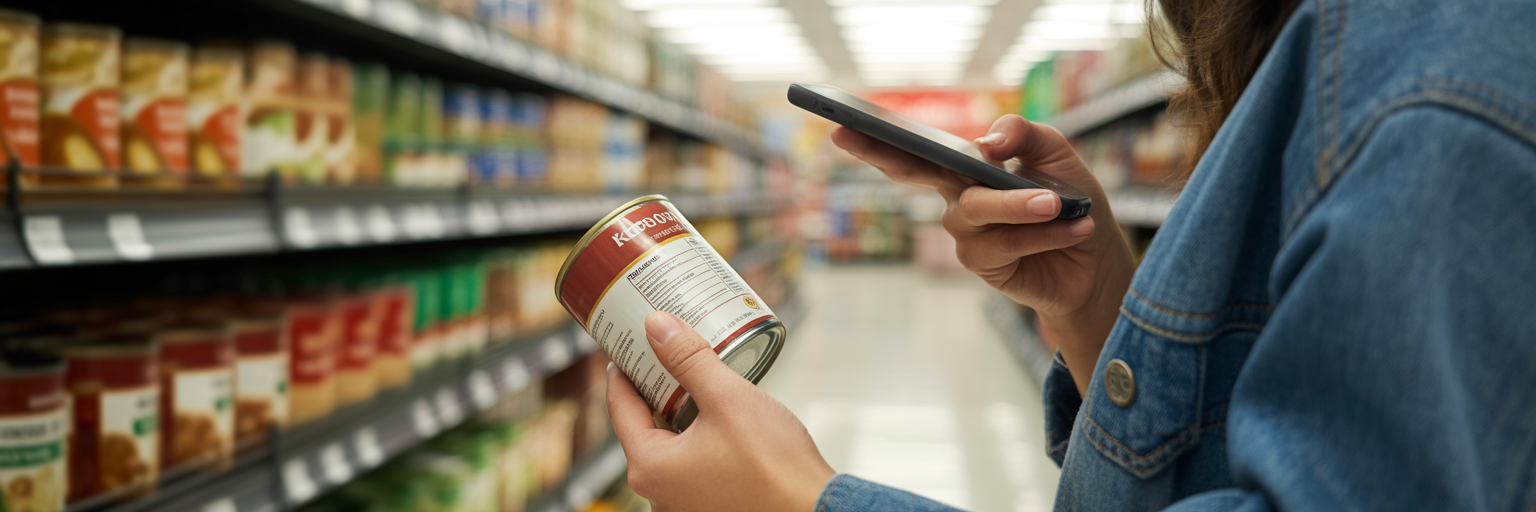
When choosing an app to manage your health, especially for something as specific as a low-sodium diet, it’s important to know what to look for. Not all apps are created equal. Here are the essential features that define a truly private and user-respecting tool:
- 100% On-Device Processing and Storage
This is the gold standard for privacy. It guarantees that your sensitive dietary information never leaves your device. Your data is yours alone, and it is never uploaded to a server where it could be breached or misused. - No Account Required
Why should you have to link your email address or phone number to your meal logs? An app that requires no account creation ensures your personal identifiers are never connected to your health data, providing a powerful layer of anonymity. - Minimal Permissions
A trustworthy app only asks for what it absolutely needs to function. For a voice command calorie counter, that means microphone access for speech recognition. It shouldn't ask for your contacts, location, or photos. Always question why an app needs a certain permission. - A Clear, Human-Readable Privacy Policy
Don’t just click "accept." Take a moment to read the privacy policy. A reputable developer will state clearly and simply that your data is never tracked, shared, or sold. Transparency is a hallmark of a company that respects its users.
Take Control of Your Diet Without Compromise
Managing a low-sodium diet presents real challenges, but modern technology offers powerful solutions that don’t force you to sacrifice your privacy. You can have the convenience of instant, accurate tracking without exposing your sensitive health data to third parties. The ability to monitor your intake with confidence and precision is entirely within your reach.
You no longer have to choose between an effective tool and your fundamental right to privacy. It's time to adopt a tool that lets you focus on your health with complete peace of mind.