

Research from institutions like Harvard Health confirms that specific foods can actively combat the chronic, low-grade inflammation linked to many health conditions. Adopting an anti-inflammatory eating pattern is less about strict rules and more about consistently choosing foods that support your body’s natural balance.
Foundations of Anti-Inflammatory Eating
An anti-inflammatory diet is not a temporary fix. It is a sustainable eating pattern designed to reduce systemic inflammation throughout your body. The goal is to consistently incorporate foods that calm inflammatory responses while limiting those that trigger them. This approach focuses on nourishing your body with whole, unprocessed ingredients.
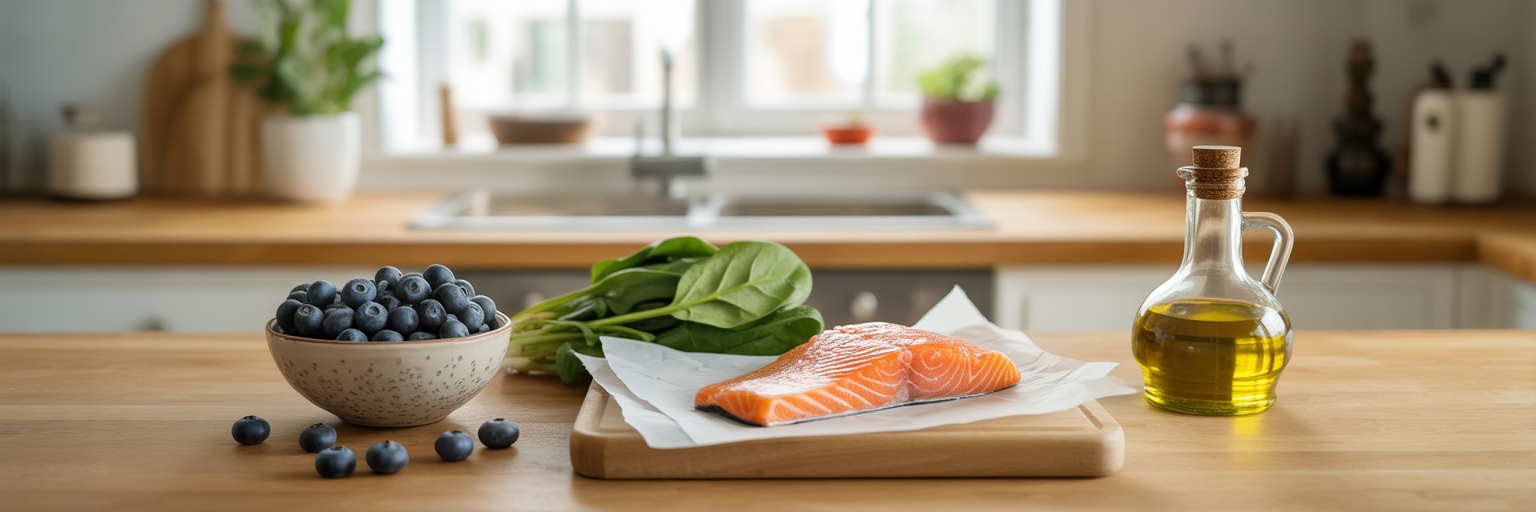
As outlined by researchers at Harvard Health, an anti-inflammatory diet should prioritize whole foods. Building a strong anti-inflammatory foods list is the first step. Think in terms of vibrant, natural ingredients:
- Fatty Fish: Salmon, mackerel, and sardines are rich in omega-3 fatty acids.
- Leafy Greens: Spinach, kale, and collards are packed with antioxidants.
- Colorful Fruits: Berries, cherries, and oranges provide essential vitamins.
- Nuts and Seeds: Almonds, walnuts, and chia seeds offer healthy fats and fiber.
- Healthy Fats: Extra virgin olive oil and avocados are cornerstones of this eating style.
Just as important is understanding which foods to reduce. This isn't about labeling foods as "bad" but about minimizing pro-inflammatory inputs. These typically include sugary drinks, refined carbohydrates like white bread, and processed meats. By consistently choosing supportive foods, you can influence tangible outcomes like improved joint comfort, more stable energy levels, and better gut health. This provides a powerful reason to stay committed.
| Foods to Emphasize | Foods to Limit |
|---|---|
| Berries, cherries, oranges | Sugary sodas and juices |
| Salmon, mackerel, tuna | Processed meats (hot dogs, sausage) |
| Spinach, kale, collard greens | Refined carbohydrates (white bread, pastries) |
| Almonds, walnuts | Fried foods (french fries) |
| Olive oil, avocados | Margarine, shortening, and lard |
This table provides a simple, at-a-glance reference based on common dietary recommendations for managing inflammation. Food choices are illustrative and not exhaustive.
The Challenge of Consistent Nutritional Awareness
Knowing what to eat is one thing. Knowing if you are actually eating it consistently is another. This is where meticulous tracking becomes valuable, especially when learning how to track an anti-inflammatory diet. It helps you confirm you are getting enough beneficial compounds and allows you to identify personal inflammatory triggers. But we all know the reality of manual tracking. It often feels like a second job.
Think about the last time you tried to log your meals. You probably spent minutes scrolling through databases for the right brand of yogurt or trying to deconstruct your homemade salad ingredient by ingredient. The mental energy it takes to remember and record every snack, drink, and condiment is significant. This friction is the main reason people stop tracking.
This creates a frustrating cycle. The tracking becomes a chore, so you skip an entry here and there. Soon, the data becomes unreliable, and you lose the ability to see if your dietary changes are actually working. You are left wondering if the effort is worth it. The success of this lifestyle depends on sustained awareness, a goal that is frequently undermined by the cumbersome nature of conventional tracking tools.
How Voice Logging Removes Tracking Friction
The tedious cycle of manual logging is precisely what new technology aims to solve. The solution is voice logging for nutrition, a method that directly addresses the friction points of traditional tracking. The concept is refreshingly simple: you speak what you ate, and the app does the work. There is no typing, no searching through databases, and no complex interface to manage.
Imagine finishing a meal and, while clearing your plate, simply stating, "I had a spinach salad with grilled salmon, walnuts, blueberries, and an olive oil vinaigrette." The entire meal is logged in seconds. This speed and convenience mean you can track your intake without interrupting your day, whether you are in your kitchen or on your commute. This makes consistency feel achievable for the first time for many people.
This method also improves accuracy. It is far more natural to verbally list the components of a complex, home-cooked meal than it is to add each item manually from a database. This hands-free approach reduces the cognitive load of tracking, reframing it from a data entry task to a simple verbal note. The process becomes almost automatic. This principle is similar to how professionals use automated scheduling tools to maintain a consistent online presence without daily manual effort. When the process is effortless, the habit sticks. It is now possible to achieve this with a seamless, voice-first approach to nutrition.
Practical Techniques for Effective Voice Logging
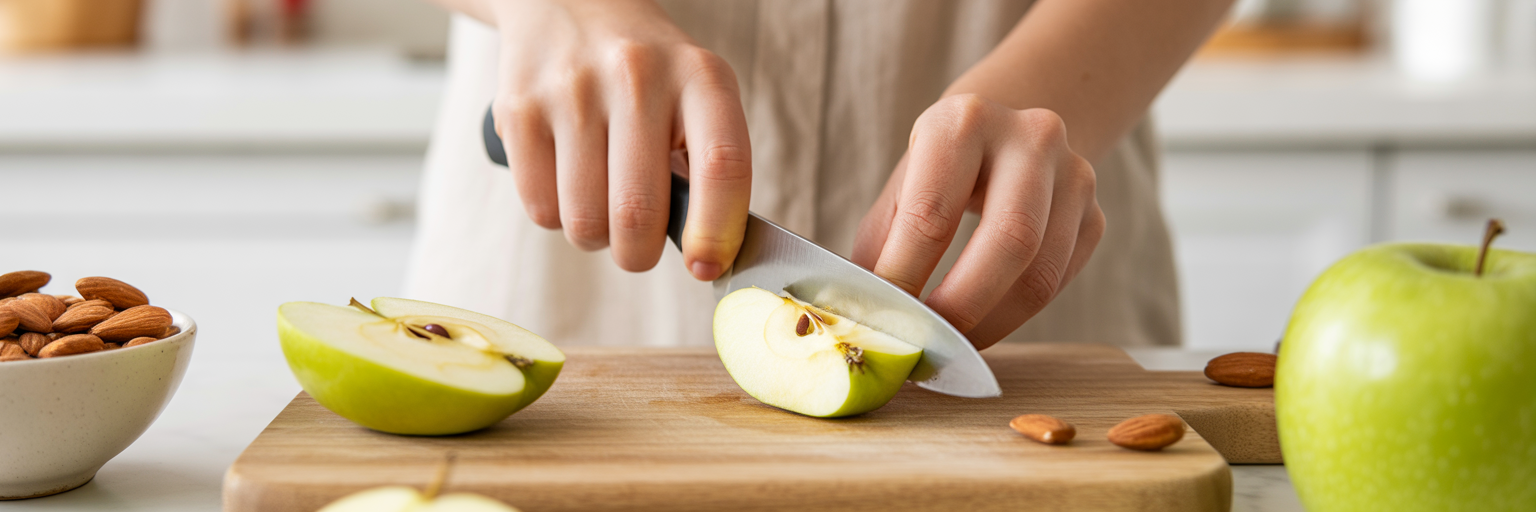
To get the most out of this technology, it helps to adopt a few simple habits. These practical techniques will ensure your data is accurate and your insights are meaningful. Here is how to effectively log meals by speaking:
- Speak Naturally and Descriptively. Talk to the app as if you were describing your meal to a friend. Instead of a clipped phrase like "chicken and rice," say, "For lunch, I had a six-ounce grilled chicken breast with one cup of brown rice and a side of steamed asparagus." The added detail provides the context needed for an accurate breakdown.
- Include Portion Sizes. Accuracy depends on quantity. Use common household measures to make your descriptions more precise. Phrases like "one cup of berries," "two tablespoons of almond butter," or "a palm-sized portion of salmon" give the system the information it needs to calculate your nutrition correctly.
- Log Meals in Real-Time. The biggest advantage of voice logging is its convenience. Get into the habit of logging your meal immediately after you finish eating. This dramatically improves accuracy because you are not trying to recall details hours later. It takes only a few seconds and prevents forgotten snacks or ingredients.
- Conduct a Quick Review. While the technology is highly accurate, it is wise to take a moment each day to glance over your log. This allows you to catch any minor misinterpretations and confirm that the data truly reflects your eating habits. This quick check ensures your nutritional trends are built on a solid foundation.
These techniques are most effective when paired with an intuitive tool for logging meals that is designed for speed and simplicity, turning a chore into a seamless part of your routine.
Why Your Health Data Deserves On-Device Privacy
Your dietary log is more than just a list of foods. It is a detailed record of your health journey, containing sensitive personal information. When you track your meals, you are creating a data set that reflects your lifestyle, habits, and health goals. Have you ever stopped to consider where that information goes?
Many apps store your data in the cloud, which can expose it to risks like data breaches or being sold to third-party advertisers for profiling. Your eating habits could be used to target you with ads, a practice that feels like an invasion of privacy. This is why a "privacy-by-design" approach is so important. On-device processing and storage mean your data is encrypted and stays on your phone. It is never sent to a server, collected, shared, or sold.
This privacy-first model directly supports your health goals. When you know your data is completely private, you can log with total honesty and without hesitation. This leads to more accurate insights and, ultimately, better results. Choosing a diet tracking app for privacy ensures your health journey remains yours alone. Ultimately, your health journey is personal, and selecting a diet tracking app for privacy ensures it stays that way, allowing you to focus on your well-being without worrying about who is watching.