

The Modern Approach to Anti-Inflammatory Eating
The Mediterranean diet's consistent recognition as a top health strategy highlights a broader shift toward eating patterns that combat chronic inflammation. This approach relies on consistent tracking, a task that technology is now making simpler than ever.
An anti-inflammatory diet is not a rigid, short-term plan filled with restrictions. Instead, it is a sustainable lifestyle focused on incorporating whole, nutrient-dense foods to proactively manage the body's inflammatory responses. Its status as a top-tier health strategy was reinforced when the Mediterranean diet pattern earned the 2025 “best of the best” award from U.S. News & World Report, as noted by the Morehouse School of Medicine. This mainstream acceptance underscores a fundamental truth: lasting health improvements come from what you consistently add to your plate, not just what you take away. The goal is to build a foundation of foods that actively work for your well-being, turning every meal into an opportunity to support your body. It’s about making deliberate, positive choices day after day.
Prioritizing Foods That Fight Inflammation
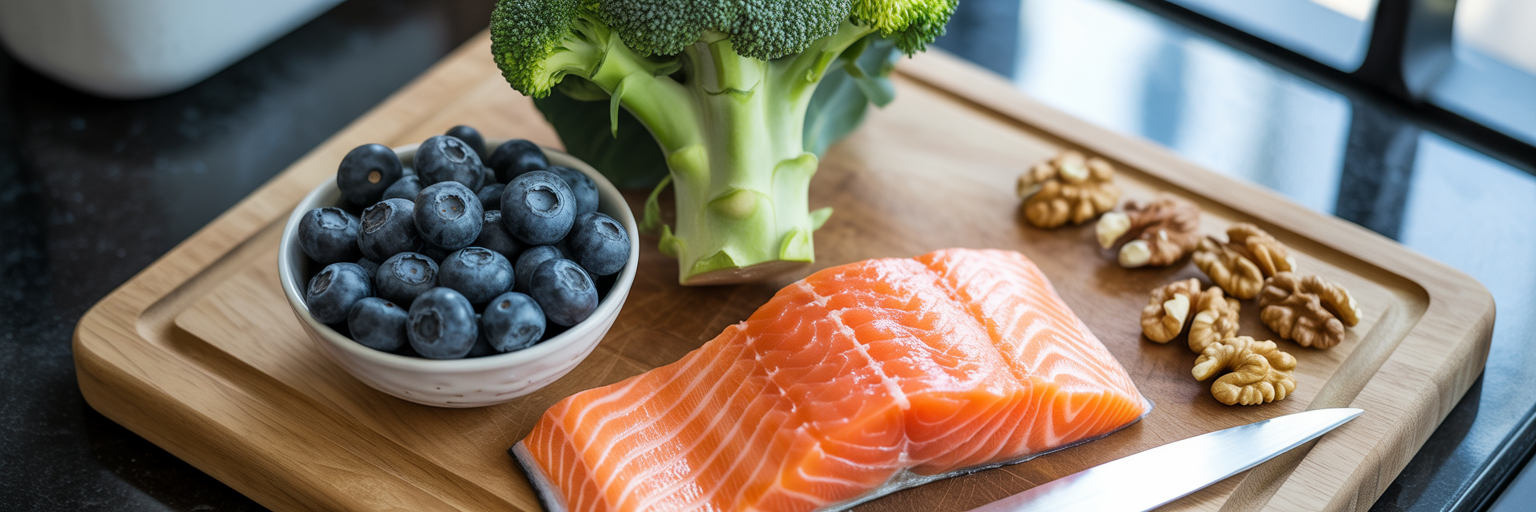
With that proactive mindset, the next step is knowing which foods to prioritize. An anti-inflammatory diet is built on a foundation of specific nutrients that help regulate the body's inflammatory processes. Focusing your tracking efforts on these key groups ensures you are consistently giving your body what it needs. These are some of the best foods for inflammation to include in your daily meals:
- Omega-3 Fatty Acids: These essential fats are critical for reducing inflammation at a cellular level. Tracking your intake from fatty fish like salmon and sardines, or plant-based sources like walnuts and flaxseeds, confirms you are meeting your targets.
- Antioxidant-Rich Produce: Colorful fruits and vegetables are packed with antioxidants that neutralize oxidative stress. Prioritize dark leafy greens like spinach and kale, cruciferous vegetables like broccoli, and vibrant fruits like berries. The wider the variety of colors on your plate, the broader the range of protective compounds you consume.
- Healthy Fats and Polyphenols: Beyond omega-3s, other fats and compounds play a significant role. Extra-virgin olive oil is a cornerstone, rich in oleocanthal, a polyphenol with notable anti-inflammatory properties. Almonds and avocados are other excellent sources of healthy fats and vitamin E.
- Potent Spices and Herbs: Do not overlook the small additions. Certain spices contain powerful anti-inflammatory compounds. Turmeric, with its active ingredient curcumin, and ginger are two of the most well-studied. Tracking even small amounts helps ensure you’re consistently getting their benefits.
How Voice Logging Simplifies Diet Adherence
Knowing what to eat is one thing; consistently tracking it is another. We have all been there: you make a healthy, complex meal, but the thought of manually searching for each ingredient in a database feels like a chore. You might type 'chicken breast,' scroll through dozens of options, then repeat the process for spinach, quinoa, and olive oil. This friction is often why tracking habits fail.
This is where voice command meal logging changes the dynamic entirely. Instead of typing and searching, you simply state what you ate in a single, natural sentence. The workflow becomes effortless: you speak, the app transcribes and identifies the foods, and you get an instant nutritional breakdown. This frictionless experience is the core principle behind tools like the Saylo AI tracker, which turns a spoken sentence into a detailed log in seconds, not minutes. By removing the tedious steps that cause people to give up, voice technology helps transform tracking from a burden into a simple, sustainable daily habit.
Accurately Capturing Multi-Ingredient Meals
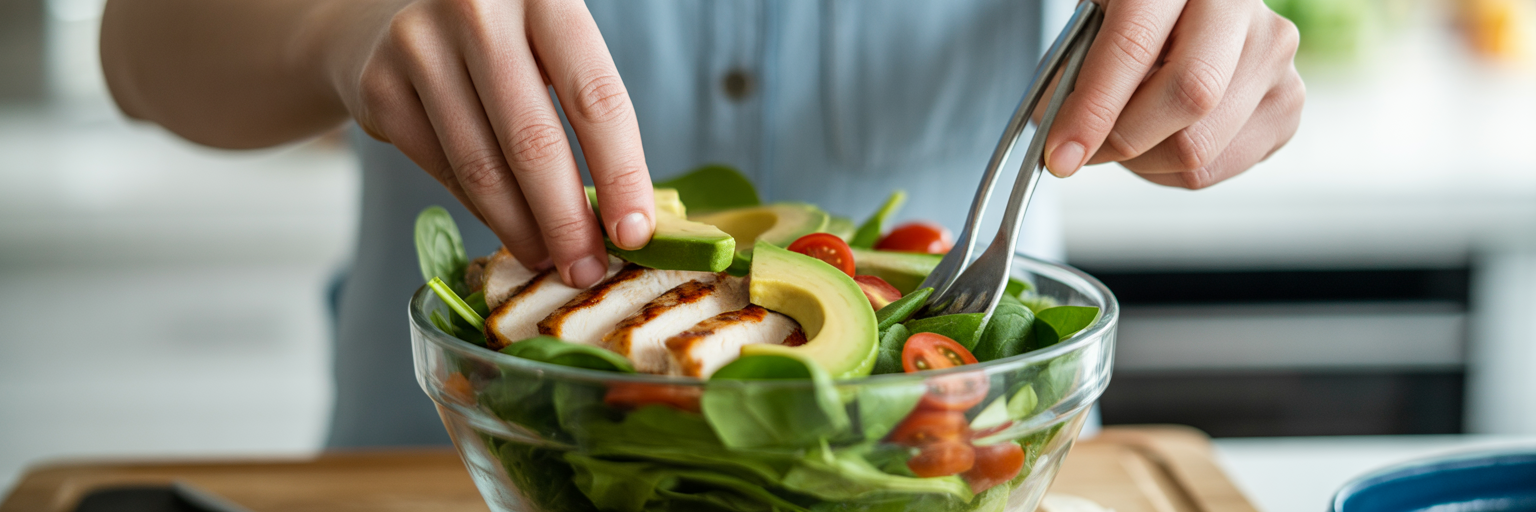
The real test for any tracking method is how to log complex meals accurately. Homemade dishes like salads, stews, or stir-fries are notoriously difficult to log with traditional apps. You either have to enter each component individually or settle for a generic, inaccurate estimate. Voice logging, when powered by smart technology, solves this problem with remarkable precision.
For instance, you can say: 'For lunch, I had a large salad with five ounces of grilled chicken, a cup of spinach, a half-cup of quinoa, and two tablespoons of olive oil vinaigrette.' An advanced system parses that single sentence, breaking it down into an itemized list with correct quantities. This intelligent deconstruction is made possible by advanced AI parsing technology, a specialized application of the same principles behind modern AI-powered automation solutions that analyze and process complex information. This level of detail is essential for an anti-inflammatory diet. It allows you to see exactly how much salmon, turmeric, or leafy greens you consumed, confirming you are hitting your nutritional goals instead of just guessing.
| Spoken Command | AI-Parsed Ingredients | Nutritional Insight |
|---|---|---|
| 'A large salad with 5oz grilled chicken, a cup of spinach, half a cup of quinoa, and 2 tbsp olive oil vinaigrette.' | - Grilled Chicken, 5 oz - Spinach, 1 cup - Quinoa, 0.5 cup - Olive Oil Vinaigrette, 2 tbsp | Confirms intake of lean protein, leafy greens, fiber, and healthy fats. |
| 'My breakfast was oatmeal with blueberries, walnuts, and a dash of cinnamon.' | - Oatmeal, 1 serving - Blueberries, 0.5 cup - Walnuts, 0.25 cup - Cinnamon, 1 tsp | Tracks antioxidants from berries, omega-3s from walnuts, and anti-inflammatory spice. |
| 'For dinner, I had a 6oz salmon fillet with a side of broccoli and ginger.' | - Salmon Fillet, 6 oz - Broccoli, 1 cup - Ginger, 1 tsp | Verifies a significant source of omega-3s, cruciferous vegetables, and potent anti-inflammatory compounds. |
This table illustrates how a single voice command is deconstructed into precise ingredients, allowing for accurate tracking of key anti-inflammatory foods.
Navigating the Limitations of Voice Trackers
While voice logging offers significant advantages, it is important to understand its limitations. Not all trackers are created equal, and being aware of potential drawbacks helps you choose the right tool for your needs.
Speech Recognition Accuracy
Voice recognition has improved dramatically, but it can still struggle with uncommon food names or brand-specific items. Words like 'ashwagandha' or 'mackerel' might be misinterpreted. A high-quality anti inflammatory diet tracker app should provide a simple way to correct entries or create custom foods, ensuring your log remains accurate even when the AI needs a little help.
Connectivity Requirements
Many popular voice features depend on an internet connection to send your speech to a server for processing. This can be a problem when you are traveling, in an area with poor reception, or simply want to log a meal offline. Your ability to track consistently should not depend on your Wi-Fi signal.
Data Privacy Concerns
This is perhaps the most critical consideration. When you speak your meals into an app, where does that data go? Many platforms transmit your voice recordings and meal logs to external servers. This practice exposes your personal health information to potential breaches and third-party access. For users who prioritize confidentiality, a truly private nutrition tracker that operates entirely on-device is the only way to guarantee data security. With this approach, your food logs, preferences, and voice data never leave your phone, ensuring your privacy is absolute.
The Long-Term Benefit of Consistent Tracking
Ultimately, the success of an anti-inflammatory diet is not measured in days or weeks, but in long-term consistency. Building the daily habit of logging what you eat provides the data you need to understand what works for your body. Low-friction tools like voice command meal logging are instrumental in making this habit stick.
The detailed records you create are not just for personal insight. As noted in a discussion from the Mayo Clinic featuring Dr. Donald Hensrud, consistent data allows for better health management and more productive conversations with healthcare providers. This transforms your daily log from a simple food diary into a valuable tool for your health journey. By removing the friction from daily logging, you can finally build the consistent habits needed to take control of your health, a goal that modern, privacy-first tools are designed to support.