
Why Macro Tracking Matters for Plant-Based Eaters
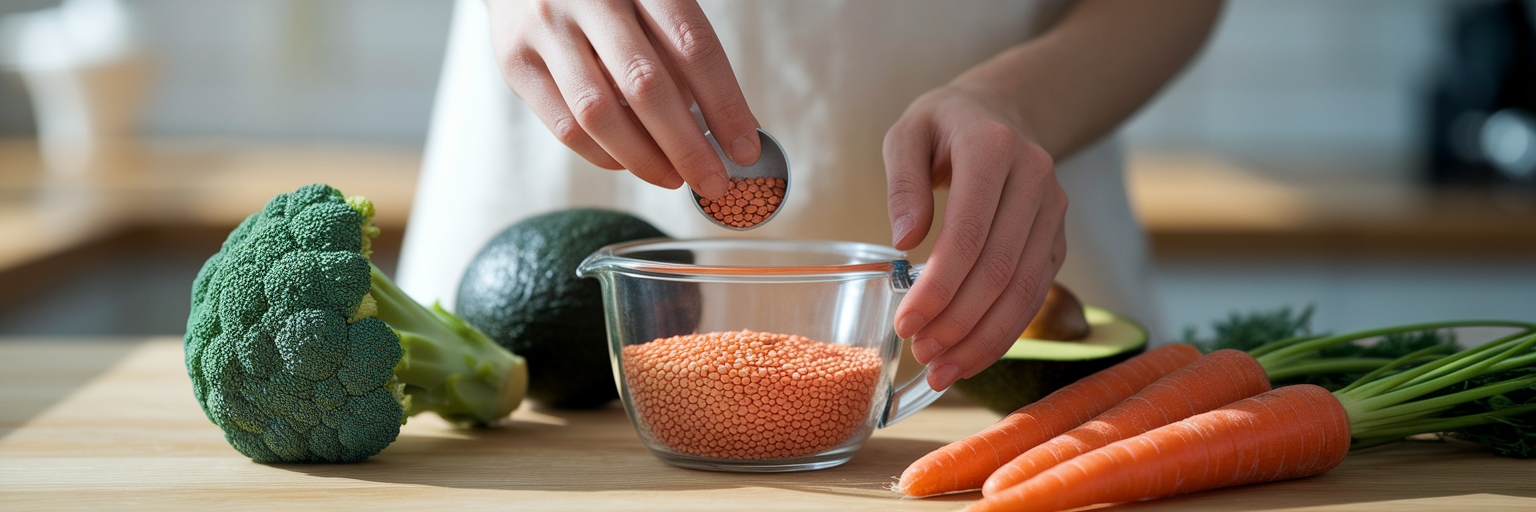
The adoption of plant-based diets continues to grow, yet achieving specific health goals requires more than just eating more plants. The real challenge emerges when you realize most plant foods contain a mix of protein, carbs, and fats. A cup of lentils, for example, is not just protein. This complexity makes casual estimation unreliable for anyone trying to build muscle or manage their energy levels effectively.
Common frustrations often surface, like struggling to meet protein targets or dealing with the high fiber content that can accompany a plant-rich diet. This is where macro tracking for vegans becomes a tool for nutritional awareness, not restriction. It provides clarity on what you are actually consuming.
However, the tediousness of manually searching databases and logging every ingredient is a primary reason people abandon tracking. We can all picture that moment of frustration trying to find the right entry for a complex meal. Voice-activated logging offers a modern way to bypass this friction, making consistency achievable.
Understanding Your Plant-Based Macro Sources
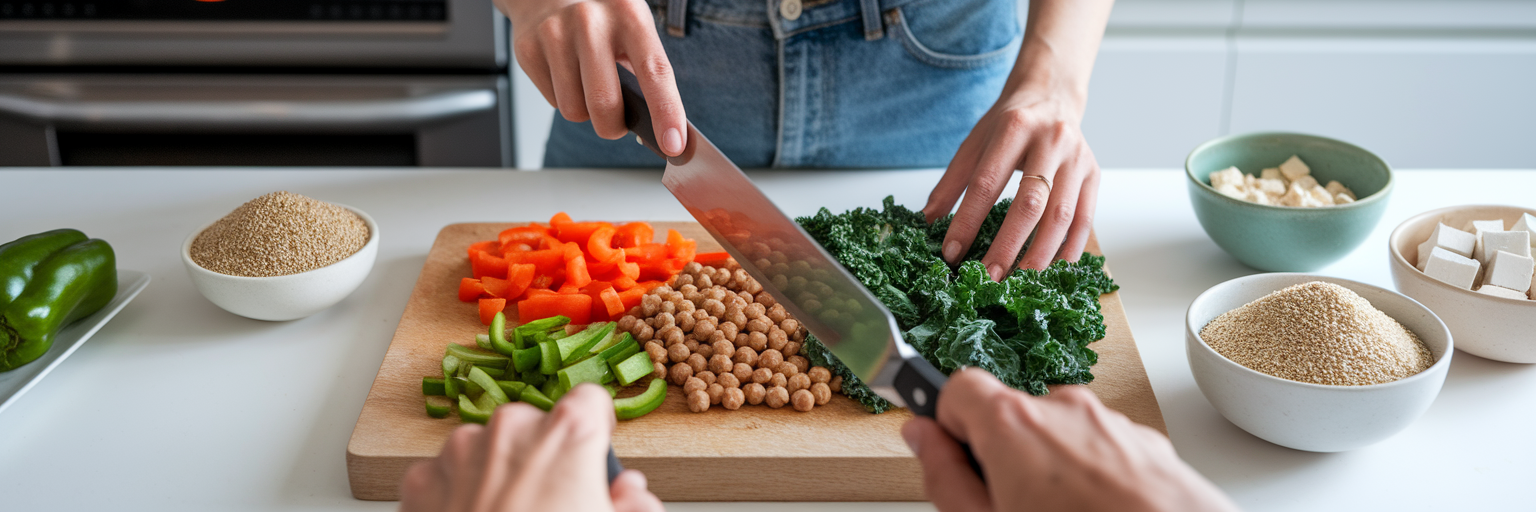
Before you can track effectively, you need to know what you are tracking. A solid understanding of your food sources is the foundation for both balancing plant-based macros and using a voice command calorie counter quickly. Think of it like learning the key players on a team. Knowing their roles makes it easier to call the plays.
- Complete Plant Proteins: Your primary sources here are foods like tofu, tempeh, and seitan. But do not overlook the contributions from legumes like lentils and chickpeas, nuts, seeds, and high-protein grains such as quinoa. Combining these sources throughout the day helps ensure you get a complete amino acid profile.
- Complex Carbohydrates for Energy: For sustained fuel, focus on whole grains like oats and brown rice, starchy vegetables such as sweet potatoes, and fruits. These are crucial for providing the steady energy needed to power through your day and your workouts.
- Healthy Fats for Hormonal Health: Sources like avocados, nuts, seeds, and quality oils are essential. They play a vital role in nutrient absorption, supporting hormonal function, and promoting satiety, which helps you feel full and satisfied after meals.
Recognizing these categories is the first step. This knowledge transforms logging from a guessing game into a simple act of reporting.
A Step-by-Step Guide to Voice Logging Meals
The goal of voice logging is to make tracking feel as natural as talking about your meal. It removes the friction of typing and searching, turning a chore into a quick, simple habit. This method makes easy vegan macro logging a practical reality. Here is how to do it effectively.
- Be Specific and Clear: The more detail you provide, the more accurate your log will be. Instead of just saying "tofu," say "four ounces of baked firm tofu." Instead of "quinoa," specify "one cup of cooked quinoa." Include the quantity and preparation method for the best results.
- Log Components Separately: This is where accuracy truly improves. We have all been tempted to log "vegan chili" as a single item, but the database entry might not match your recipe. A better approach is to log the individual ingredients: "one cup kidney beans," "half cup diced tomatoes," and "one tablespoon chili powder." It takes a few extra seconds but provides far more precise data.
- Confirm and Correct: A good voice logging tool provides immediate feedback. Listen for the app to confirm what it heard and the macros it logged. If something is off, you should be able to make a quick verbal correction, like "change to one and a half cups." This feedback loop ensures your data remains reliable.
This process is significantly faster than manually searching for each ingredient. Tools designed for this purpose make the process seamless. For instance, a privacy-first app that operates on-device removes the friction entirely. You can see how we have built our app around this voice-first principle.
Common Mistakes in Vegan Macro Tracking and How to Fix Them

Knowing how to track vegan macros also means knowing what pitfalls to avoid. Even with the best tools, a few common errors can skew your data. Here is how to spot and fix them.
Underestimating Protein Content
Plant proteins are often less dense than their animal-based counterparts, meaning you need larger volumes to hit your targets. It is easy to think a "block of tofu" is enough, but the actual protein content varies. The fix is to log your protein-dense components first and be specific. There is a significant difference between "firm tofu" and "silken tofu," so state which one you are using.
Ignoring 'Hidden' Fats and Carbs
This is a classic mistake. We remember the main ingredients but forget the additions that bind them together. That tablespoon of olive oil used for sautéing, the maple syrup in your dressing, or the cashew cream on your pasta all contribute to your daily totals. The solution is simple: make it a habit to log every addition, no matter how small. Just say, "add one tablespoon of olive oil."
Relying on Inaccurate Portion Sizes
Voice logging is only as accurate as the information you provide. "A handful of almonds" or "a bowl of oatmeal" are subjective measures. To improve your accuracy, take one week to calibrate your visual estimates. Use measuring cups and a food scale to see what an actual cup of lentils or two tablespoons of peanut butter looks like. This short-term effort dramatically improves the accuracy of your future verbal logging.
Customizing Your Plant-Based Macro Ratios
Once you are comfortable with tracking, you can start using the data to personalize your approach. Think of macro splits as adjustable settings for your nutrition, tailored to your specific goals. While there is no single perfect ratio, you can start with a common baseline and adjust from there.
For general wellness, a split of 20% protein, 50% carbs, and 30% fat is a sustainable starting point. However, if your goal is muscle building, you might shift to 30% protein, 45% carbs, and 25% fat to better support recovery and growth. As highlighted by platforms like Coach My Macros, beginners can start with a balanced split, while those with athletic goals may need to adjust protein upward. The key is to use plant-based macro tracking to gather data, monitor your energy and performance for a few weeks, and then make informed adjustments.
| Goal | Protein % | Carbohydrate % | Fat % | Best For |
|---|---|---|---|---|
| General Wellness | 20% | 50% | 30% | Sustainable energy, overall health, and dietary flexibility. |
| Muscle Building | 30% | 45% | 25% | Supporting muscle protein synthesis and fueling intense workouts. |
| Fat Loss | 25% | 40% | 35% | Promoting satiety and preserving muscle mass in a caloric deficit. |
Note: These ratios are common starting points. Individual needs may vary based on activity level, metabolism, and personal health factors. Use them as a baseline for experimentation.
Making Consistent Tracking a Habit
While technology like voice logging removes much of the friction, consistency is what ultimately drives results. The confidence to log honestly and regularly often comes from trust. Knowing your sensitive nutrition data is stored securely on your device, never shared or sold, encourages a more open and consistent tracking habit.
Success comes down to a few key pillars. By focusing on these, you can turn tracking into an empowering routine.
- Understand your plant-based macro sources.
- Use a clear, step-by-step voice logging method.
- Avoid common tracking errors.
- Adjust macro ratios to fit your personal goals.
Ultimately, macro tracking is not a restrictive chore. It is an informative practice that empowers you to take control of your nutrition and effectively fuel your body for a thriving, plant-based lifestyle.