

The High-Fiber Challenge in Modern Nutrition Tracking
According to the CDC, only about one in ten American adults consumes the recommended amount of daily fiber. This isn't just a statistic; it reflects a common struggle where health intentions meet practical roadblocks. Many people want to embrace a high-fiber diet for its benefits, but the reality of tracking it accurately can be discouraging.
The primary challenge lies in how fiber complicates macronutrient calculations. Since fiber is a type of carbohydrate, it can inflate your total carb count, creating confusion if you're trying to balance specific protein and fat targets. This makes high-fiber diet tracking feel like a constant guessing game.
Consider the effort required to manually log a complex meal like a lentil soup or a multi-ingredient salad. You have to search for each component, estimate quantities, and scroll through endless database entries, many of which are inaccurate. This friction turns a simple meal into a tedious administrative task. We’ve all been there, squinting at our phone, wondering if we should log "spinach, raw" or just "spinach." This frustration is often enough to make people abandon tracking altogether, leaving them unable to see if their dietary changes are actually working.
The Rise of Voice-Powered Meal Logging

That tedious, time-consuming process is precisely what modern nutrition tools are designed to eliminate. Instead of typing, searching, and tapping through menus, you can now log your meals simply by speaking. What once took several minutes becomes a task completed in seconds. This is the core advantage of voice logging for nutrition.
The technology works through natural language processing. When you say, "a bowl of oatmeal with a tablespoon of chia seeds and a half cup of blueberries," the AI parses the sentence, identifies each food and its quantity, and pulls the corresponding nutritional data. It transforms a conversational phrase into structured, actionable information.
However, not all voice logging systems are created equal. Many apps send your voice recordings and meal data to company servers for processing. This means your personal dietary habits, a sensitive part of your health profile, are stored in the cloud. In contrast, privacy-first models handle all recognition and data storage directly on your device. This is the foundation of our on-device nutrition tracker, built with user security at its core. With this approach, no accounts are needed, and your data never leaves your phone, making it the best nutrition tracker for privacy for those who value confidentiality.
Best Practices for Precise Voice Logging
While the speed of voice logging is a significant benefit, that efficiency should not come at the expense of accuracy. To get the most out of an accurate macro tracking app, it helps to adopt a few specific habits. Think of the AI as a highly capable assistant; it does the heavy lifting, but your clear instructions ensure the best results.
- Be Specific with Your Descriptions. Vague entries lead to generic data. Instead of saying "chicken salad," describe it with detail: "five ounces of grilled chicken breast with two cups of romaine lettuce and two tablespoons of vinaigrette." This level of detail is what allows for truly precise macro and fiber counts.
- Mention Preparation Methods. The nutritional profile of food can change when cooked. For example, "one cup of raw spinach" is different from "one cup of cooked spinach." Specifying the preparation method helps the app select the correct entry and provides a more accurate picture of your intake.
- Review the AI's Interpretation. After you log a meal, take a moment to glance at the items the AI identified. It’s a quick final check to ensure everything was captured correctly before you save the entry. This simple step prevents small errors from compounding over time.
- Prioritize Verified Food Entries. Most food databases contain a mix of user-generated and verified entries. Verified items are more likely to have complete and accurate nutritional information, including fiber content. Whenever possible, choose these for reliable tracking.
This approach streamlines the process without cutting corners. Just as automation tools help maintain consistency in content scheduling, voice logging brings similar efficiency to nutrition tracking, making consistency achievable.
Avoiding Common Errors in Fiber Tracking
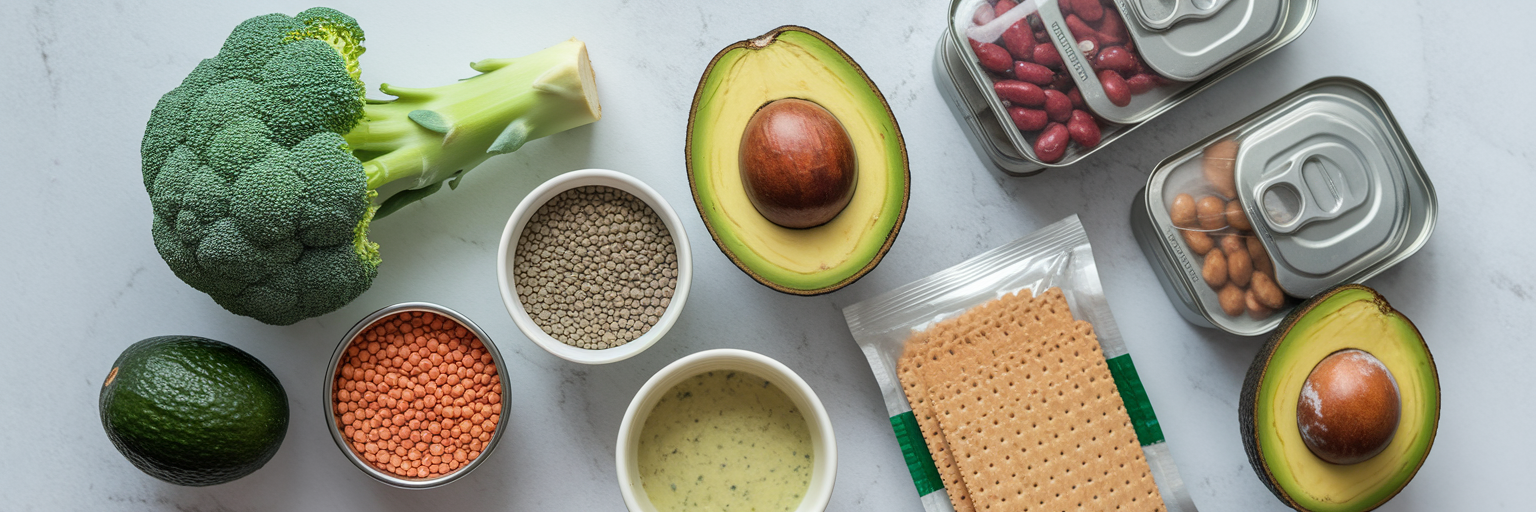
With your logging method refined, the next step is understanding the nuances of fiber itself. Knowing how to track fiber intake correctly involves spotting common pitfalls that can skew your data. Many of these errors stem from incomplete database entries or overly generic logging habits.
A frequent mistake is overlooking the difference between soluble and insoluble fiber. While most apps do not differentiate between the two, you can ensure a balanced intake by logging specific whole foods. For instance, logging oats and apples provides soluble fiber, while whole grains and nuts contribute insoluble fiber. This food-first approach is more beneficial than relying on a generic "fiber" number.
Another point of confusion is "net carbs," calculated by subtracting fiber from total carbohydrates. Whether you track total or net carbs, the key is consistency. Choose one method and stick with it to accurately gauge your body's response. Finally, learn to spot red flags in a food database. If you log a high-fiber food like black beans or raspberries and the entry shows "0g" of fiber, you have found a flawed entry. In this case, simply find a verified alternative to ensure your daily totals are correct.
| Common Pitfall | Why It Skews Data | The Voice Logging Solution |
|---|---|---|
| Logging a generic meal name (e.g., 'vegetable soup') | The app uses an average, often underestimating fiber from specific ingredients. | Speak each ingredient and its quantity (e.g., 'one cup of lentils, a half cup of carrots, and a half cup of celery'). |
| Ignoring a '0g Fiber' entry for a high-fiber food | The database entry is incomplete, leading to a significant undercount of daily fiber. | Quickly review the logged items. If an error is spotted, find a 'verified' alternative entry in the app. |
| Using vague quantities (e.g., 'a handful of almonds') | Portion sizes vary, making calorie and fiber counts inaccurate. | Be specific with measurements (e.g., 'one ounce of almonds' or '24 almonds'). |
This table highlights frequent mistakes in high-fiber diet tracking and provides clear, actionable solutions that leverage the specificity of voice logging to ensure data accuracy.
Strategically Balancing Macros with High Fiber Intake
Once you have accurate data, you can move from simply logging to making strategic dietary decisions. A high-fiber diet directly impacts your macronutrient balance, and understanding this relationship is key to achieving your health goals. Since most fiber comes from carbohydrate sources, a higher fiber intake naturally means a higher carb intake.
This is where the instant feedback loop from voice logging becomes powerful. When you log a fiber-rich lunch, you immediately see how it affects your daily macro targets. This allows for real-time adjustments. For example, if your lunch was heavy on carbs from beans and whole grains, you can plan a higher-protein, lower-carb dinner to stay within your daily calorie and macro goals. This proactive approach prevents end-of-day surprises and keeps you on track.
We stand firm in our belief that a food-first approach is best. Use tracking to ensure you meet your fiber goals with nutrient-dense whole foods like fruits, vegetables, and legumes. These foods provide not only fiber but also a wide spectrum of essential vitamins and minerals that supplements cannot replicate. Your tracker should support this goal, not replace it.
The Future of Nutrition Tracking Is Private and Seamless
The shift toward voice logging is part of a larger movement toward frictionless health management. It is a technology that makes consistent, accurate tracking achievable for everyone by removing the biggest barrier: the tedious process of manual entry. When a healthy habit is easy to maintain, it is more likely to stick.
At the same time, there is a growing demand for data privacy in health technology. We believe that privacy is not a feature; it is a fundamental right. On-device processing and no-account systems are becoming the new standard for trust and user empowerment. The most advanced tools are those that deliver powerful insights without compromising your personal information. This philosophy is central to how we designed Saylo AI, putting you in complete control of your health data.