
You’ve been diligent, logging every meal and snack. Yet, the results you expect aren’t showing up. It’s a common frustration, and the reason often lies in small, overlooked errors. These are not failures of willpower but simple miscalculations that add up. Understanding these common calorie tracking mistakes is the first step toward making your efforts count.
The Portion Size Perception Gap
According to research highlighted by Harvard's School of Public Health, most people struggle to estimate portion sizes accurately, often underreporting their intake. This creates a “portion size perception gap”—the difference between what we think we’re eating and what’s actually on the plate. This gap is one of the most fundamental errors in calorie tracking.
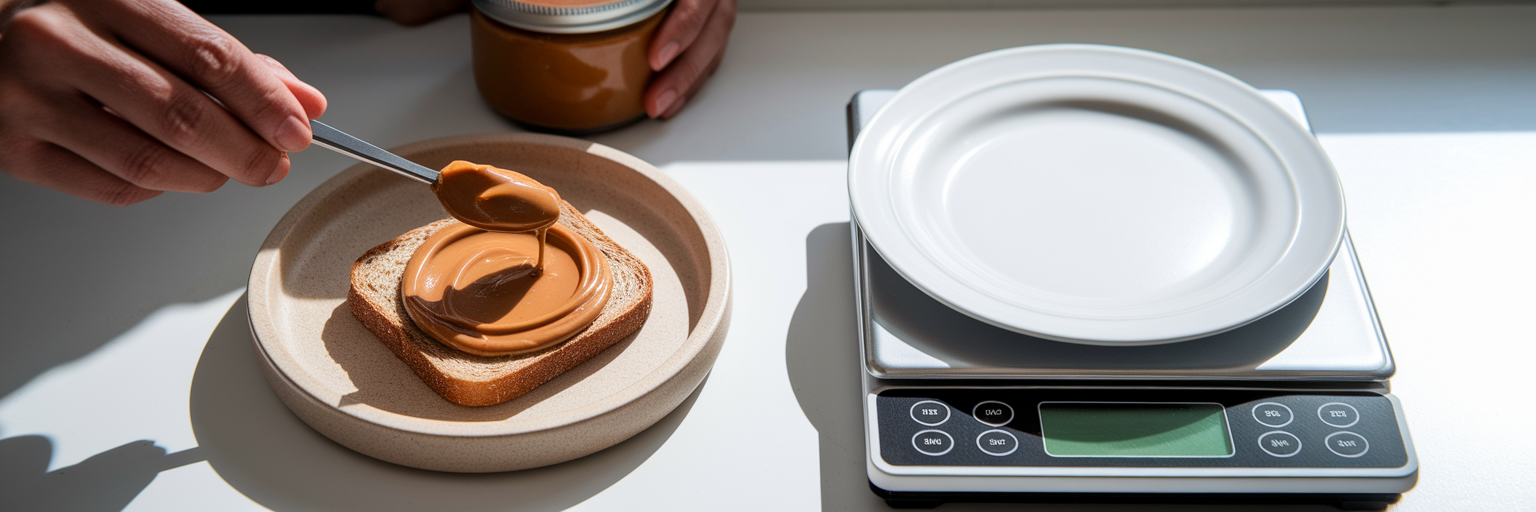
The problem is most pronounced with calorie-dense foods. A little extra olive oil, a slightly larger handful of almonds, or one more slice of cheese can add hundreds of calories that go uncounted. It’s not about being restrictive; it’s about being precise. The most effective way to close this gap is by using a digital kitchen scale. This isn’t a lifelong commitment. Think of it as a short-term educational tool.
Try a “calibration period” for one or two weeks. Weigh your typical servings of proteins, carbs, and fats to see what 3 ounces of chicken or a tablespoon of peanut butter actually looks like. Once you’ve trained your eye, you can eyeball portions with far greater accuracy. You’ll learn that a 3-ounce serving of meat is about the size of a deck of cards, and a cup of pasta is roughly the size of your fist. This skill empowers you to make smarter choices, even when dining out.
Focusing on Calories Instead of Composition
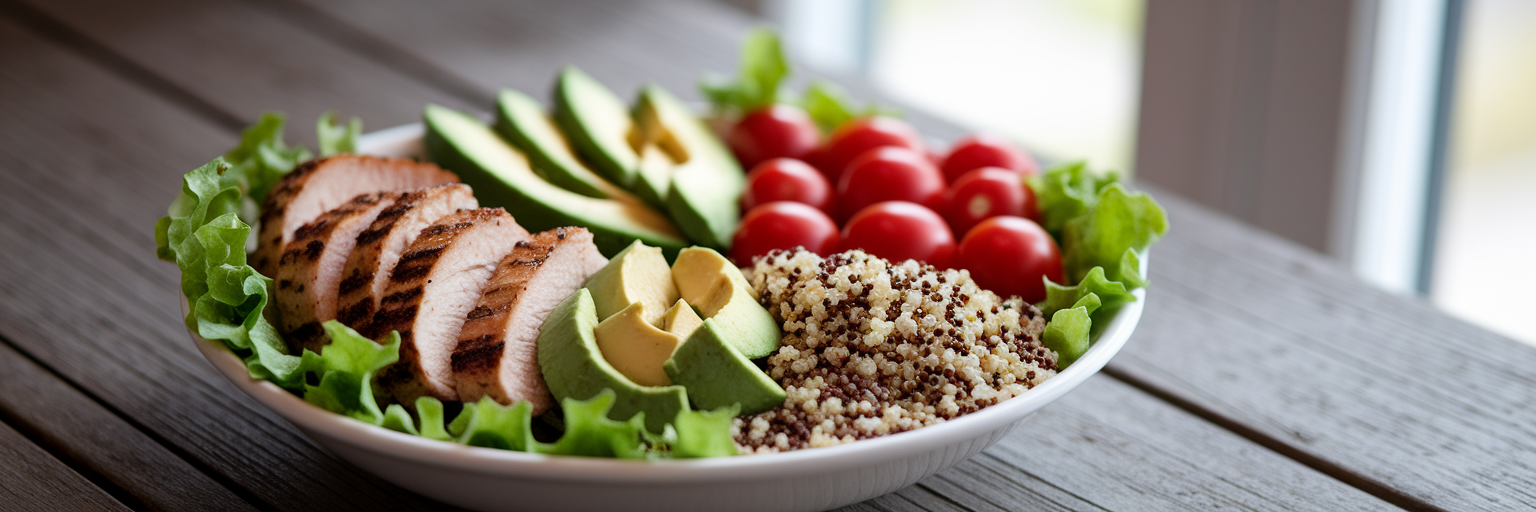
With portion sizes calibrated, the next step is to look beyond the numbers. A calorie is a unit of energy, but how your body uses that energy depends entirely on its source. This is where accurate macro tracking becomes essential. A 200-calorie snack of almonds and Greek yogurt provides protein and healthy fats that promote satiety, while 200 calories from pretzels offer simple carbs that can leave you hungry again quickly.
This is why logging generic entries like “chicken salad” or “beef stir-fry” undermines your efforts to improve calorie counting. The nutritional content of these meals varies wildly based on:
- The type and amount of dressing or sauce used.
- The inclusion of high-fat ingredients like cheese, avocado, or nuts.
- The cooking method, such as grilled versus fried.
For true accuracy, log the individual ingredients. Breaking down a complex meal is simpler with modern tracking tools that provide detailed nutritional insights for every component. For beginners, a great starting point is building a balanced plate with a source of protein, healthy fat, and complex carbohydrates at each meal. More experienced trackers can adjust macro ratios to support specific goals, like preserving muscle during a fat-loss phase.
| Snack | Key Macronutrients | Impact on Satiety | Energy Release |
|---|---|---|---|
| Handful of Almonds & Greek Yogurt | Protein, Healthy Fats, Fiber | High (Keeps you full longer) | Sustained and stable |
| Bag of Pretzels | Simple Carbohydrates | Low (Leads to quick hunger) | Rapid spike and crash |
| Medium Apple | Fiber, Natural Sugars | Moderate (Fiber helps) | Quick but more stable than refined carbs |
| 2 Rice Cakes with Jam | Simple Carbohydrates, Sugar | Very Low (Minimal fullness) | Very rapid spike and crash |
Note: This table illustrates how different macronutrient profiles in snacks with similar calorie counts can have vastly different effects on your body's hunger signals and energy levels.
Overlooking the Unlogged Bites and Sips
Have you ever thought about the small additions that slip through the cracks? This is “calorie creep,” the gradual accumulation of calories from items we often forget to log. These common food logging errors can quietly sabotage a well-planned calorie deficit. This isn't just a minor oversight; as research in journals like the American Journal of Clinical Nutrition suggests, people can unintentionally omit a significant portion of their daily calories from their logs.
The most frequent culprits include:
- Cream and sugar in your morning coffee
- The oil used to cook your eggs
- Salad dressings, ketchup, and other condiments
- A handful of chips while making dinner
- Sugary drinks, juices, and alcohol
We often skip logging these because it feels tedious. That friction is a major barrier to accuracy. This is where a low-friction logging method makes a difference. Tools that allow you to capture items with a quick voice command or text message make it easy to log them in the moment, before they’re forgotten. A simple mantra can help: “If you bite it, write it (or log it).” A proactive strategy is to pre-log your planned meals and snacks for the day. This creates a clear roadmap and makes you more mindful of spontaneous, untracked consumption.
The Pitfall of Unreliable Food Databases
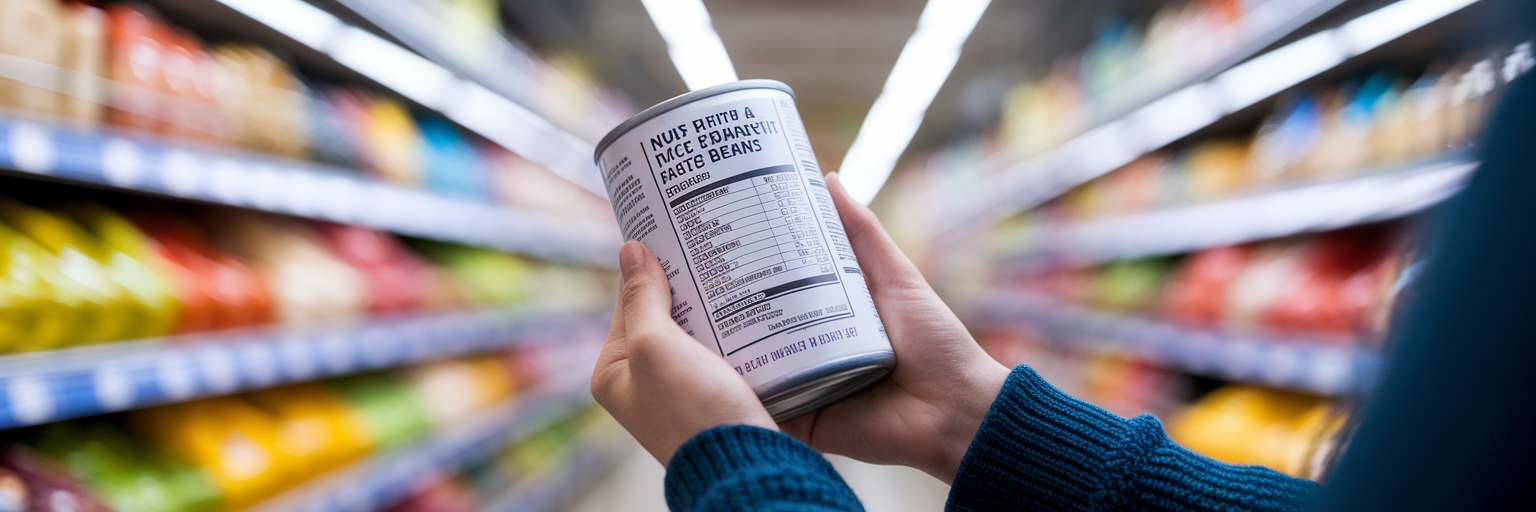
Your tracking app is only as good as its data. Many popular apps rely on user-generated, crowd-sourced databases, which can be a minefield of outdated, incomplete, or simply incorrect information. When you log an item, you are trusting that the nutritional data attached to it is accurate. Unfortunately, that trust is often misplaced, making this one of the most insidious calorie tracking mistakes.
You can take control by becoming your own “nutrition fact-checker.” For packaged foods, always prioritize scanning the barcode to pull verified data directly from the manufacturer. When logging fresh foods or restaurant meals, cross-reference entries with a trusted source like the USDA’s FoodData Central database. The nutrition label on a product is always the ultimate source of truth.
This conversation about data accuracy is directly linked to data privacy. Apps that maintain curated, verified databases often show a higher commitment to user trust. In contrast, some services populate their public databases with food logs from their users. Choosing a tracker with a clear commitment to user data privacy ensures your personal logs remain yours alone, stored securely and privately on your own device.
Ignoring the Transformations of Cooking
A food’s nutritional profile is not static; it changes during preparation. This is a frequently overlooked variable when figuring out how to track calories accurately. For example, frying food adds a significant number of calories from absorbed oil, while grilling can reduce the fat content as it drips away. The weight of food also changes. Meat loses water and becomes lighter when cooked, whereas pasta and rice absorb water and become heavier.
Logging the raw weight of rice but eating the cooked portion, or vice versa, leads to major inaccuracies. The solution is a simple, unbreakable rule: weigh your ingredients in their raw state, but log the final preparation method. This means you should log the 150 grams of raw chicken breast *plus* the tablespoon of olive oil it was cooked in as two separate entries. This gives you a complete and accurate picture.
For complex homemade recipes like stews, soups, or casseroles, manual calculation is impractical. This is where modern tracking tools that simplify complex meals become invaluable. Look for a “recipe builder” feature. By inputting each raw ingredient and the total number of servings the recipe yields, the app can calculate the precise nutrition per portion, removing all the guesswork.