
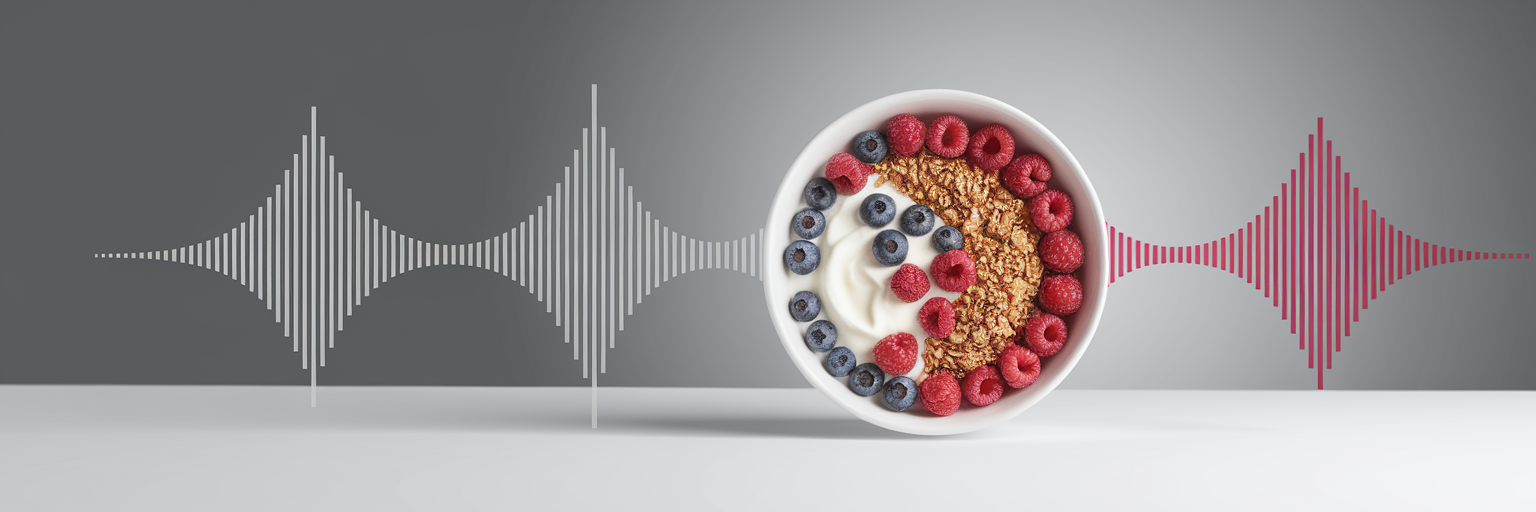
We’ve all been there. You finish a meal, pull out your phone to log it, and are met with a search bar and endless lists. The process feels more like data entry than a step toward better health. This friction is precisely why so many people abandon their nutrition goals. But what if tracking was as simple as speaking?
The Daily Grind of Manual Meal Logging
Traditional meal tracking is a multi-step chore. You have to find the right food in a massive database, scroll through dozens of portion sizes, and manually add every single ingredient for a home-cooked meal. This constant effort creates a significant cognitive load, turning a helpful habit into a burden.
This friction is the primary reason for inconsistent logging. When you’re busy, it’s easy to skip an entry or just guess the portion size. A rushed entry for a snack or a forgotten ingredient in a recipe undermines the very purpose of tracking. The result is unreliable data that can’t effectively guide your health decisions. This cycle of tedious nutrition tracking without typing every detail often leads to frustration and, ultimately, giving up. The tool meant to help you becomes another task to avoid.
The Shift to Voice-First Technology
The friction in manual logging stands in stark contrast to how we interact with technology elsewhere in our lives. We ask smart speakers for the weather and use voice commands in our cars without a second thought. Voice has become a standard for convenience. According to a report from TechCrunch, the rise of voice-first technology has fundamentally changed how we interact with our devices, making complex tasks feel effortless.
This is made possible by Natural Language Processing (NLP), which allows technology to understand conversational speech instead of just rigid commands. You can speak naturally, and the device understands your intent. This evolution from tapping screens to speaking commands is central to creating engaging digital experiences that feel intuitive. Applying this to health apps is the logical next step. It’s not just about a new feature; it’s about fundamentally reducing user effort and making health management more accessible for everyone.
How Speaking Simplifies Nutrition Tracking

The most immediate benefit of voice logging is speed. Consider the difference between typing out “a turkey sandwich on whole wheat with lettuce and tomato” and simply saying it. What takes minutes of searching and tapping becomes a task of a few seconds. This makes it the fastest way to track macros and calories, hands down.
This hands-free convenience is invaluable in many daily scenarios:
- Logging ingredients while you’re in the middle of cooking.
- Quickly adding a snack you ate while driving.
- Capturing a meal at a restaurant without pulling your focus from the conversation.
When you can log food with voice, the mental barrier to tracking disappears. You are far more likely to log everything in the moment, which leads to more complete and accurate data. Speaking is a natural human action, unlike searching a database. This simplicity helps build a sustainable habit rather than a temporary chore.
| Factor | Traditional Manual Logging | Voice-First Logging |
|---|---|---|
| Time Investment | Several minutes per meal | A few seconds per meal |
| Friction | High; requires multiple taps, searches, and selections | Low; a single, spoken command |
| Consistency | Prone to skipping entries on busy days | Easier to maintain as a daily habit |
| Accuracy | Can be compromised by estimations and forgotten items | Higher likelihood of capturing all items in real-time |
| Multitasking | Requires hands and visual focus | Allows for hands-free logging while cooking or commuting |
A Better Experience for Every Health Journey
Voice technology doesn't just make tracking easier; it makes it more accessible to everyone, regardless of their experience level. It adapts to the user, creating a better path to long-term consistency.
Lowering the Barrier for Beginners
For someone new to nutrition tracking, complex app interfaces can be intimidating. The steep learning curve of navigating databases and understanding portion sizes can be enough to stop them before they even start. Voice removes this barrier. The intuitive act of speaking makes the process feel approachable and simple, encouraging them to build a positive new habit from day one.
Maximizing Efficiency for Experienced Trackers
For those who are already diligent about tracking, efficiency is everything. Experienced users know exactly what they need to log, and manual entry slows them down. Voice offers them unparalleled speed and precision. They can log complex meals with specific quantities in seconds, freeing up time and mental energy. This dual benefit is what makes a modern voice powered calorie tracker so effective, as it adapts to the user's level of expertise.
Addressing Privacy and Accuracy in Voice Logging

When it comes to health, two questions are always top of mind: Is my data safe, and is it accurate? Users are rightfully cautious about where their personal information goes. Many voice assistants process requests in the cloud, which means your data leaves your device. However, a better approach exists.
With on-device processing, your spoken words are analyzed directly on your phone and never sent to a server. This commitment to on-device processing is the foundation of a truly privacy focused nutrition app. It means no accounts are needed, and your meal logs remain completely private to you.
Of course, accuracy is just as important. Voice recognition can face challenges with accents or background noise. But advanced, on-device AI is designed to overcome this. It learns your speech patterns and common foods over time, improving its accuracy without ever uploading your personal data. This proves that high performance and strong privacy are not mutually exclusive. You can have a seamless experience without compromising your security.
The Future is Conversational and Intelligent
The potential of voice in nutrition goes far beyond simple data entry. The future is a two-way conversation where you can not only log your meals but also ask questions and get instant feedback. Imagine asking, “How much protein have I had today?” and getting an immediate answer.
This evolves into contextual intelligence, where the AI learns your habits. A simple command like “log my usual breakfast” could automatically add the coffee and oatmeal you have every morning. This creates a predictive and truly seamless experience that anticipates your needs.
Ultimately, the most trusted platforms will be those that deliver these powerful features while keeping all data secure on the user's device. Privacy-by-design is not an afterthought; it is the core principle. This blend of conversational intelligence and uncompromising privacy is what will define the next generation of health tools, making them truly seamless and trustworthy, just like our approach at Saylo.